Finding the right custom home builder ranks among the most important decisions you’ll make when creating your dream home. A skilled custom home builder transforms your vision into reality, managing every aspect of construction from initial design through final walkthrough. Whether you’re planning a lakefront retreat, a modern family residence, or a luxury estate, understanding what separates exceptional builders from the rest ensures your project succeeds.
At Ceci Bates Custom Homes, we’ve spent years perfecting the art and science of custom home construction throughout Texas. We know that choosing a custom home builder involves more than comparing bids—it requires evaluating experience, craftsmanship, communication, and shared vision. This comprehensive guide helps you navigate the selection process confidently and make informed decisions that lead to a home you’ll love for generations.
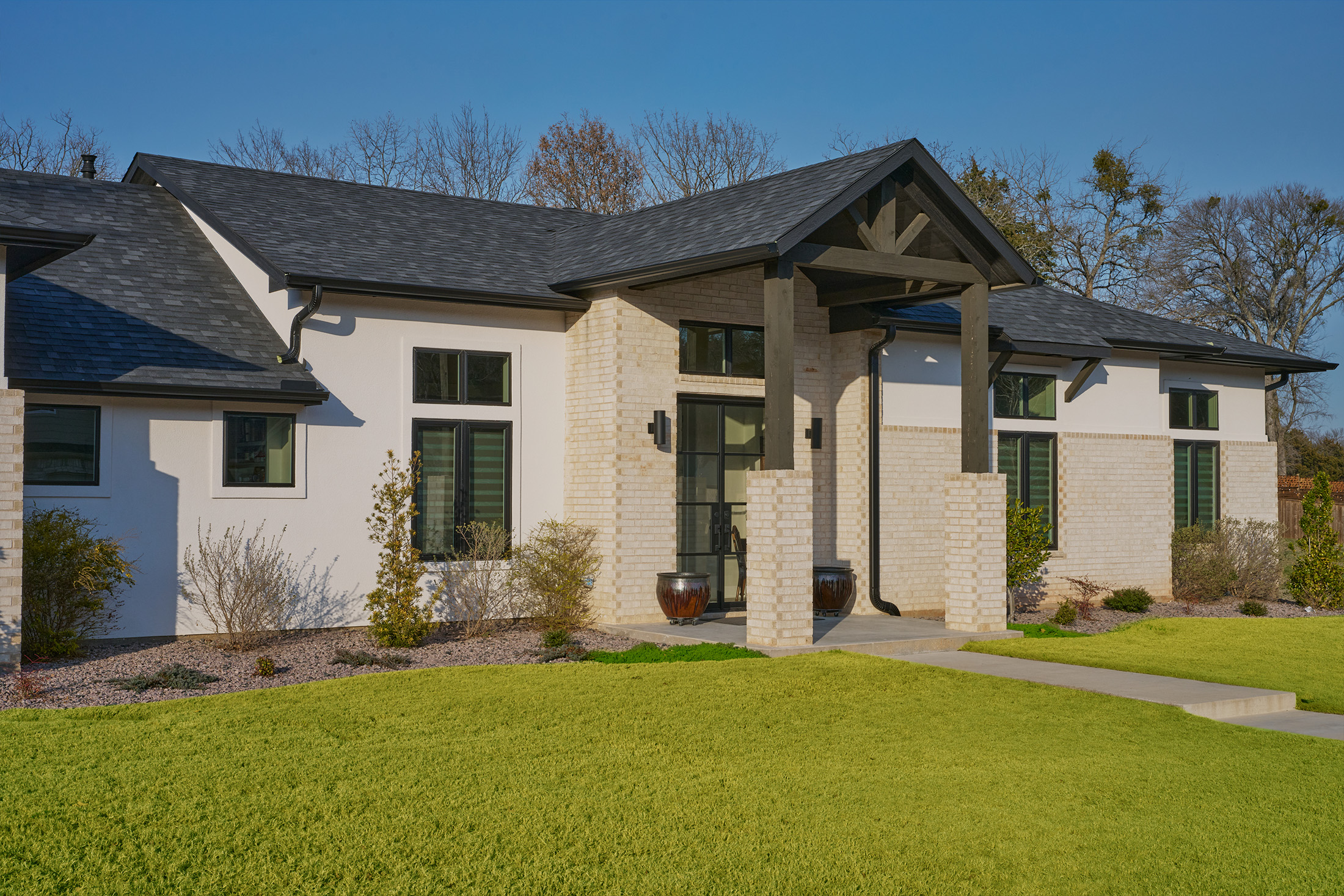
What Makes a Great Custom Home Builder
Exceptional custom home builders possess a unique combination of technical expertise, design sensibility, project management skills, and genuine commitment to client satisfaction. Understanding these distinguishing characteristics helps you identify builders worthy of your trust and investment.
Technical Expertise and Construction Knowledge
A qualified custom home builder demonstrates deep understanding of construction methods, building science, and local building codes. This expertise ensures your home is built correctly from foundation to roofline, incorporating proper structural engineering, moisture management, and energy-efficient systems.
Technical knowledge becomes particularly important when addressing site-specific challenges. Texas properties present diverse conditions—expansive clay soils requiring engineered foundations, varying climate zones demanding different insulation strategies, and coastal or lakefront locations needing specialized moisture protection. Experienced builders navigate these challenges confidently because extensive project history has taught them what works and what doesn’t.
We’ve constructed custom homes across Texas, from Lake Texoma properties to hill country estates, gaining invaluable experience with regional building conditions. This breadth of knowledge prevents costly mistakes and ensures construction methods appropriate to your specific location and site.
Design Collaboration and Vision Realization
Great custom home builders function as collaborative partners throughout the design process. Rather than simply executing plans, exceptional builders contribute insights that improve functionality, enhance aesthetics, and solve potential problems before construction begins.
This collaborative approach starts with listening. We invest time understanding how you live, what features matter most, and what challenges you want your new home to solve. Do you work from home and need dedicated office space? Entertain frequently and require open-plan living areas? Have multi-generational family members who need accessible design features?
Your lifestyle shapes design far more than any magazine inspiration. When building custom homes in Pottsboro or other Texas communities, we help clients think beyond aesthetics to genuine functionality that enhances daily living for decades.
Project Management and Communication Excellence
Custom home construction involves coordinating dozens of specialized trades, managing complex schedules, procuring hundreds of materials, and solving countless problems that arise during building. Superior project management separates professional custom home builders from the rest.
Effective project management includes transparent communication throughout construction. We assign dedicated project managers who serve as your primary contact, coordinating all trades, maintaining schedules, and keeping you thoroughly informed. Regular updates and scheduled walk-throughs ensure you understand progress without being overwhelmed by daily construction details.
Communication style matters tremendously during year-long projects. Professional builders address challenges promptly with solutions rather than allowing problems to escalate. Construction inevitably encounters unexpected conditions—quality builders handle these situations transparently, presenting options and recommendations rather than creating surprises.
The Custom Home Building Process Explained
Understanding the construction process helps you know what to expect and when, reducing anxiety and enabling more informed decision-making throughout your project.
Initial Consultation and Planning
Every successful custom home begins with comprehensive planning. During initial consultations, quality custom home builders explore your vision, budget parameters, timeline expectations, and property characteristics. This foundation guides all subsequent decisions.
Site evaluation happens early in planning. Your builder should assess topography, soil conditions, utility access, and regulatory requirements before finalizing designs. Thorough site analysis prevents expensive surprises during construction and ensures designs appropriate to your specific property.
Budget establishment during planning prevents disappointment later. Honest builders provide realistic cost projections based on your specifications, helping you understand what’s achievable within your budget. This transparency allows informed decisions about where to invest and where to economize.
Design Development and Refinement
Architectural design typically progresses through conceptual layouts, preliminary floor plans, and detailed construction documentation. Each iteration incorporates your feedback, gradually perfecting the design until it precisely matches your vision.
Working with architects familiar with Texas building conditions ensures your home performs well in our climate. Design considerations include proper insulation and air sealing for energy efficiency, window placement for natural light while minimizing heat gain, and outdoor living spaces that extend functional square footage.
Material selection during design impacts both initial investment and long-term performance. Texas weather demands durable materials handling temperature extremes, intense UV exposure, and periodic severe weather. Experienced custom home builders help you balance aesthetic preferences with practical performance requirements.
Permitting and Pre-Construction
Navigating building permits and regulatory approvals requires local knowledge and attention to detail. The permitting process involves submitting complete construction documentation, site plans showing setbacks and drainage, and various technical specifications to local building departments.
Timeline for permit approval varies by jurisdiction, but working with builders experienced in your specific area streamlines the process considerably. Whether building custom homes in Rock Creek or elsewhere in Texas, local expertise matters tremendously.
Pre-construction activities include finalizing finish selections, ordering materials with long lead times, and scheduling trades. Thorough pre-construction planning prevents delays and ensures smooth construction progress once building begins.
Construction and Quality Control
Construction typically spans eight to twelve months for custom homes, though complexity and size influence actual duration. Regular communication throughout keeps you informed without overwhelming you with minor details.
Quality control distinguishes professional custom home builders from volume production companies. We implement systematic inspections at critical construction phases, photograph concealed work before covering, and maintain detailed records of materials and methods. This multi-layered approach ensures every aspect meets the highest standards.
Municipal inspectors verify code compliance at key milestones—foundation, framing, mechanical systems, and final completion. These inspections protect your investment by ensuring construction meets safety and quality standards established by building codes.
Key Factors in Selecting Your Custom Home Builder
Choosing the right builder requires evaluating multiple factors beyond initial cost estimates. These considerations help you identify builders capable of delivering exceptional results.
Experience and Portfolio Evaluation
Review potential builders’ portfolios carefully, paying attention to architectural diversity, finish quality, and project complexity successfully completed. A diverse portfolio demonstrates versatility and ability to execute various design styles and technical requirements.
Ask specifically about experience in your area. Building custom homes in Love County or Marshall County requires understanding local soil conditions, building department procedures, and climate-appropriate construction methods. Regional experience prevents problems before they occur.
Project references provide invaluable insights. Contact recent clients and ask about communication quality, problem-solving abilities, adherence to budgets and schedules, and overall satisfaction. Honest builders willingly provide multiple references and welcome your due diligence.
Licensing, Insurance, and Warranties
Verify your custom home builder maintains current licensing, comprehensive liability insurance, and workers compensation coverage. These protections safeguard you from liability if accidents occur during construction and ensure the builder meets professional standards.
Warranty coverage demonstrates confidence in workmanship quality. Comprehensive warranties should cover structural elements, building systems, and workmanship for specified periods. The National Association of Home Builders recommends thoroughly understanding warranty coverage, exclusions, and claim procedures before signing contracts.
Beyond formal warranties, responsive post-construction support distinguishes builders viewing their work as lasting careers from those viewing it as transactions. We remain available to address questions and issues as clients settle into finished homes, providing ongoing support that builds lasting relationships.
Financial Stability and Transparency
A custom home builder’s financial stability affects project completion and your protection. Financially unstable builders may struggle to pay subcontractors or may cut corners to manage cash flow problems, compromising quality and potentially leaving you with legal and financial complications.
Request detailed, itemized proposals rather than lump-sum bids. Transparent pricing allows you to understand exactly what you’re paying for and makes it easier to evaluate change orders or adjustments during construction.
Payment schedules should align with construction progress, protecting both you and the builder. Avoid builders requesting large upfront deposits or payments significantly ahead of work completed. Standard payment schedules typically release funds at specific construction milestones verified by inspections.
Design Considerations for Texas Custom Homes
Texas’s diverse climate zones and building conditions require design approaches specific to the region. Understanding these considerations helps you work effectively with your custom home builder to create homes that perform beautifully.
Climate-Responsive Architecture
Texas weather varies dramatically across regions but universally demands homes designed for extreme conditions. Hot summers, varying winter temperatures, and periodic severe weather all affect design decisions.
Superior insulation and meticulous air sealing form the foundation of comfort and efficiency. Quality custom home builders typically exceed minimum code requirements because modest additional investment during construction delivers substantial ongoing savings. According to the U.S. Department of Energy, high-performance building envelopes reduce energy costs by 20-40% compared to code-minimum construction.
Window selection dramatically affects both comfort and operating expenses. High-performance glazing blocks heat gain while admitting natural light. Strategic placement—larger windows on favorable north exposures, smaller openings on challenging west elevations—optimizes daylighting while minimizing thermal stress.
Site-Specific Design Solutions
Each property presents unique opportunities and challenges requiring custom solutions. Waterfront sites need erosion control and flood zone compliance. Hilltop locations require careful foundation design on sloped terrain. Properties with mature trees benefit from designs that preserve valuable existing vegetation.
Experienced custom home builders evaluate these site characteristics early, incorporating them into designs that work with rather than against natural conditions. This approach creates homes that feel naturally integrated into their settings while performing reliably long-term.
Outdoor living spaces deserve equal design attention as interior rooms. Covered patios, outdoor kitchens, and entertainment areas significantly extend functional living space in Texas’s climate. Strategic orientation minimizes harsh afternoon sun while maximizing comfortable, usable hours.
Energy Efficiency and Sustainability
Modern custom homes increasingly incorporate energy-efficient features and sustainable building practices. These investments benefit both environment and homeowners through reduced operating costs and improved comfort.
Right-sized HVAC systems matched to your home’s actual heating and cooling loads operate efficiently while maintaining consistent comfort. Oversized equipment cycles frequently, wasting energy and reducing comfort through temperature swings. Quality builders work with mechanical contractors who perform detailed load calculations rather than estimating based on square footage alone.
Water conservation through low-flow fixtures, smart irrigation systems, and native landscaping reduces both household expenses and environmental impact. These sustainable choices enhance property value while demonstrating environmental responsibility.
Budgeting and Financial Planning
Understanding all cost components helps you make informed decisions and maintain financial comfort throughout construction. While every project differs, certain principles apply consistently.
Comprehensive Cost Understanding
Total investment in custom homes extends beyond construction expenses alone. Land acquisition, site work, architectural fees, permits, financing costs, and landscaping all contribute to final investment. First-time custom home builders often underestimate these additional expenses.
Construction costs vary widely based on finish quality, architectural complexity, and site conditions. A straightforward home with standard finishes might cost $175-$225 per square foot, while luxury homes with premium finishes can exceed $350-$450 per square foot. These ranges reflect materials and labor but exclude land and soft costs.
Your budget should include contingency reserves of 10-15% for unexpected conditions or beneficial adjustments during construction. According to the Appraisal Institute, adequate contingency prevents financial stress when inevitable surprises arise and allows flexibility to make improvements that enhance final results.
Value-Based Decision Making
Not all investments deliver equal returns in livability or property value. Strategic budget allocation prioritizes elements affecting daily experience or long-term performance.
High-quality mechanical systems, superior insulation, and durable roofing may not display dramatically but profoundly impact comfort and operating costs for decades. Conversely, trendy fixtures or exotic materials might lose appeal while adding significant cost.
Research shows outdoor living spaces, quality kitchen and bathroom finishes, and energy-efficient features typically return 80-100% of investment in appraised value. Understanding these value dynamics helps you allocate budgets wisely for both immediate enjoyment and long-term value.
Frequently Asked Questions About Custom Home Builders
How long does it take to build a custom home in Texas?
Most custom homes in Texas require approximately 8-12 months from groundbreaking to completion, though this timeline varies based on home size, architectural complexity, and site conditions. The planning and design phase before construction begins typically adds another 2-4 months. Factors affecting timelines include complex architectural features, challenging sites requiring extensive grading, custom elements with long lead times, weather delays, and permitting approval times that vary by jurisdiction. Quality custom home builders provide detailed schedules at project start and update them regularly so you always understand current progress and expected completion dates.
What questions should I ask potential custom home builders?
Ask about their specific experience in your area and with similar project types. Request detailed information about their construction process, quality control systems, and project management approach. Inquire about communication frequency and methods—how often will you receive updates and who serves as your primary contact? Ask for multiple recent client references you can contact directly. Understand their warranty coverage and what happens if issues arise during or after construction. Request detailed, itemized proposals rather than lump-sum bids. Finally, ask about their approach to challenges and unexpected conditions—how do they handle problems that arise during construction?
How much does it cost to hire a custom home builder in Texas?
Custom home construction costs in Texas typically range from $175 to $450+ per square foot depending on finish quality levels, architectural complexity, and site conditions. This covers materials and skilled labor but excludes land acquisition, site work, and soft costs like architectural fees and permits. A 2,500-square-foot home with quality mid-range finishes might cost $440,000-$560,000 for construction, while luxury homes with premium finishes can exceed $875,000-$1,125,000. Total project investment including land, site work, soft costs, and contingency reserves can easily be 30-50% higher than construction costs alone. Geographic location within Texas also affects costs—building in metropolitan areas typically costs more than rural locations.
What’s the difference between a custom home builder and a production builder?
Custom home builders create unique homes designed specifically for individual clients, while production builders construct pre-designed homes with limited customization options. Custom home builders offer complete design freedom, allowing you to control every aspect from overall layout to smallest finish details. Production builders work from set floor plans with predetermined material options, offering faster timelines and potentially lower costs but significantly less flexibility. Custom home builders typically manage one or a few projects simultaneously, providing personalized attention throughout construction. Production builders may manage dozens of homes simultaneously in planned developments. Quality standards also differ—custom home builders typically implement more rigorous quality control and use superior materials and construction methods.
Do I need to own land before contacting a custom home builder?
While land ownership isn’t required for initial planning conversations, you’ll need to secure property before finalizing designs or starting construction. Many clients benefit from consulting custom home builders before purchasing land because builders can evaluate potential properties for suitability, identify challenges affecting costs, and determine whether sites support your vision and budget. Some seemingly ideal lots have hidden issues—poor soil conditions, difficult utility access, restrictive covenants, or drainage problems—that significantly complicate construction or increase costs. Quality builders are happy to review properties you’re considering and provide preliminary assessments helping you make informed purchase decisions.
How do I know if a custom home builder is reputable?
Verify the builder maintains current licensing, comprehensive liability insurance, and workers compensation coverage. Check their standing with the Better Business Bureau and state licensing boards for complaints or disciplinary actions. Request and contact multiple recent client references, asking detailed questions about their experience. Review their portfolio for quality, diversity, and complexity of completed projects. Evaluate their communication style and professionalism during initial interactions—this often reflects how they’ll perform during construction. Research their longevity in business—established builders with years of experience demonstrate stability and commitment. Finally, trust your instincts about chemistry and cultural fit, as you’ll work closely with your builder throughout the year-long process.
What should be included in a custom home builder contract?
Comprehensive contracts should include detailed project scope describing exactly what will be built, complete specifications for materials and finishes, itemized cost breakdown rather than lump-sum pricing, payment schedule tied to construction milestones, and specific project timeline with start and completion dates. Include provisions for change orders describing how modifications are handled and priced. Warranty coverage should be detailed clearly, specifying what’s covered and for how long. Include procedures for dispute resolution, insurance requirements, and permit responsibilities. According to the Federal Trade Commission, contracts should clearly state cancellation policies and lien waiver procedures protecting you from subcontractor claims. Have an attorney review contracts before signing to ensure your interests are protected.
Can a custom home builder help with financing?
While custom home builders don’t provide financing directly, experienced builders often have established relationships with construction lenders and can provide recommendations. Construction financing differs from traditional mortgages, and many builders can help you understand options like construction-to-permanent loans or traditional construction loans requiring separate permanent financing. Quality builders provide detailed cost documentation helping lenders evaluate projects and approve financing. Some builders maintain preferred lender programs offering potentially better terms or streamlined approval processes. However, you should always compare multiple financing options independently and choose based on terms and rates rather than solely on builder recommendations. Your builder’s financial stability and reputation may positively influence lender evaluations and approval decisions.
Begin Your Custom Home Journey
Choosing the right custom home builder fundamentally shapes your entire building experience and final results. The builder you select influences not just construction quality but your satisfaction throughout the process and your enjoyment of the finished home for decades to come.
At Ceci Bates Custom Homes, we’ve dedicated our careers to excellence in custom home construction throughout Texas. Our deep knowledge of regional building conditions, commitment to superior craftsmanship, and client-focused approach have earned us reputation as a trusted custom home builder families rely on to bring their visions to life.
Whether you’re planning a lakefront retreat, a family home balancing comfort and style, or a luxury estate showcasing architectural excellence, we’re ready to guide you through every step of the journey. Our comprehensive approach addresses all aspects of custom home construction—from initial site evaluation through final walkthrough and beyond—ensuring exceptional results that exceed your expectations.
Ready to explore the possibilities for your custom home? Contact us today to schedule a consultation where we can discuss your vision, answer your questions, and begin mapping the path toward your dream home in Texas.