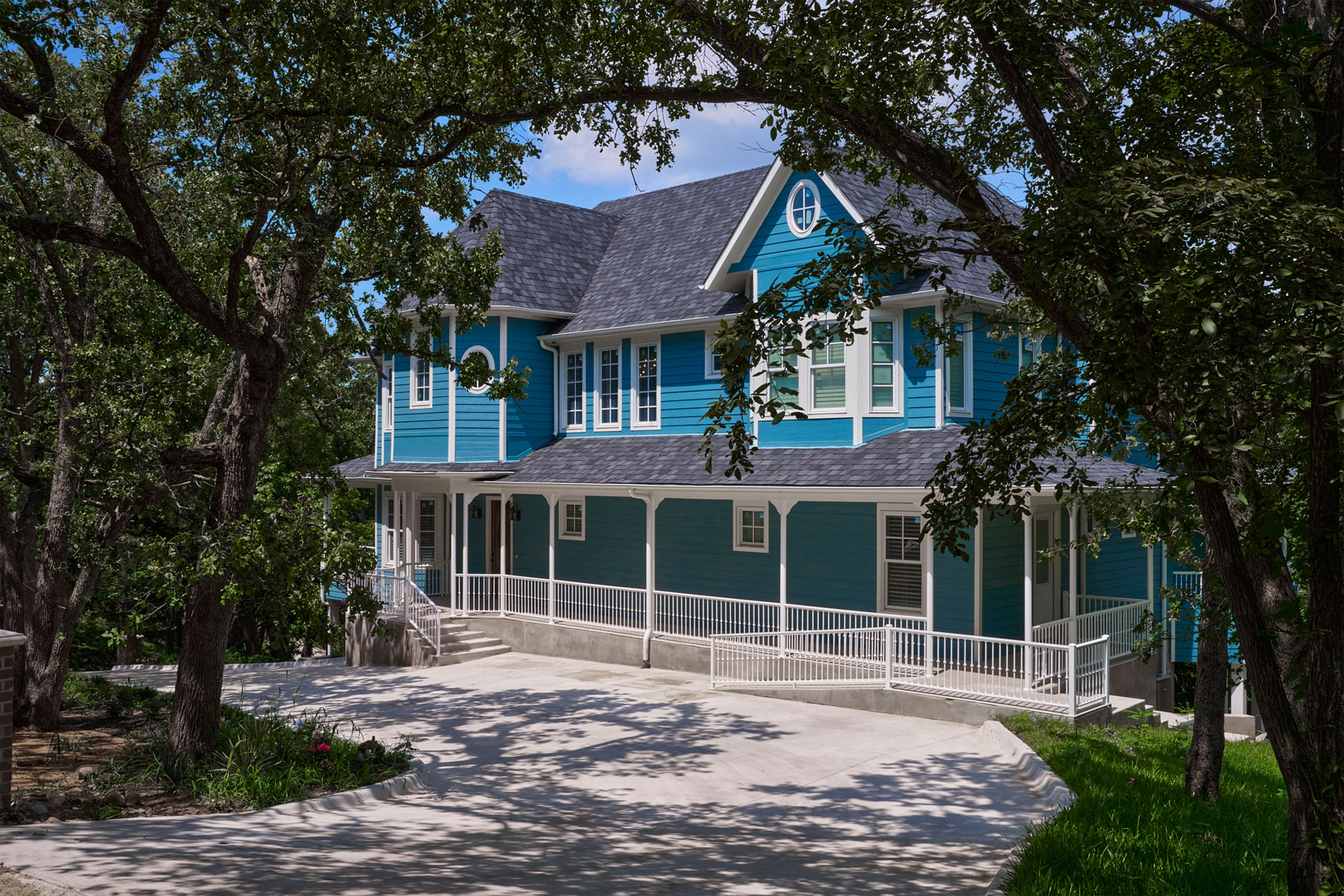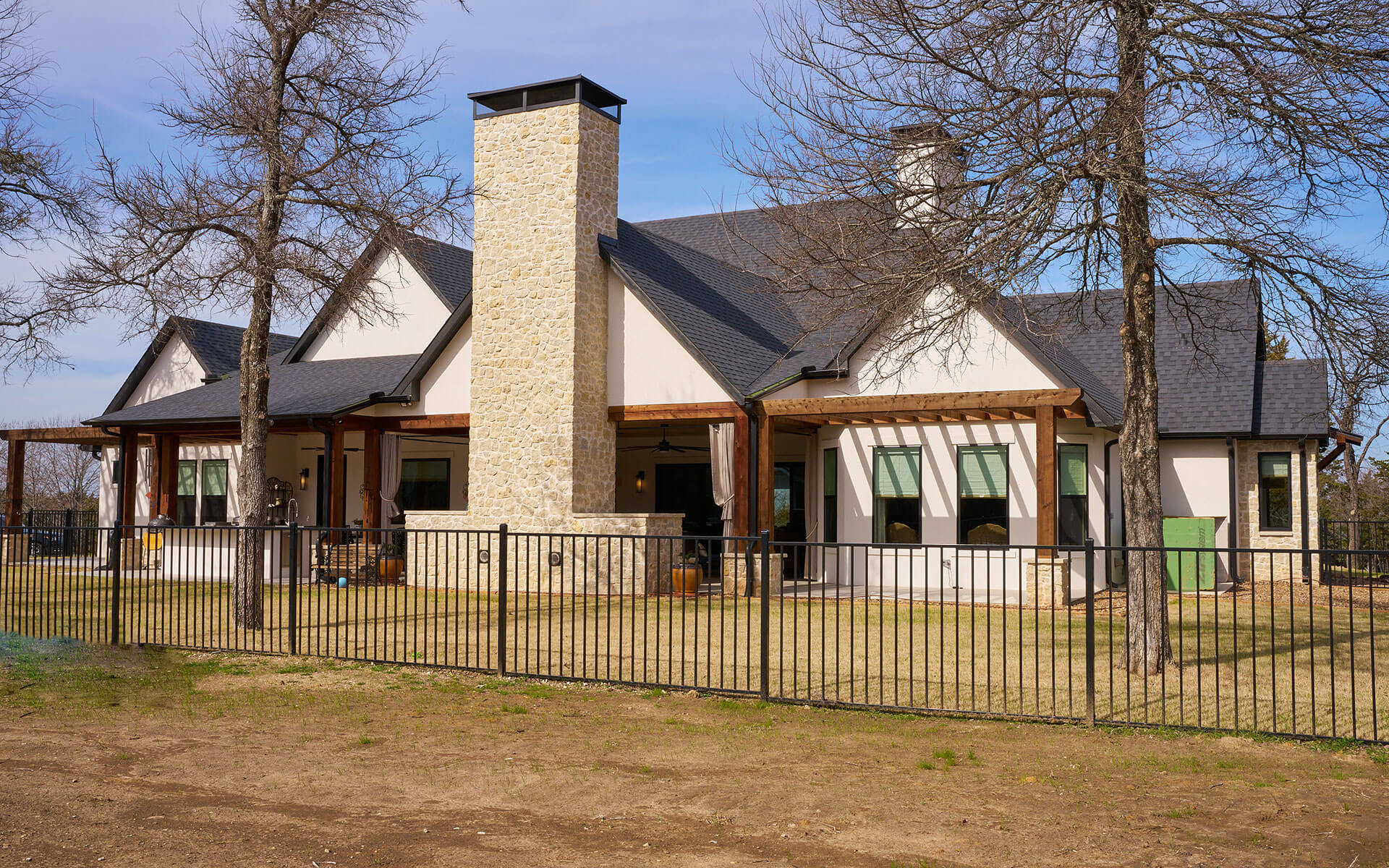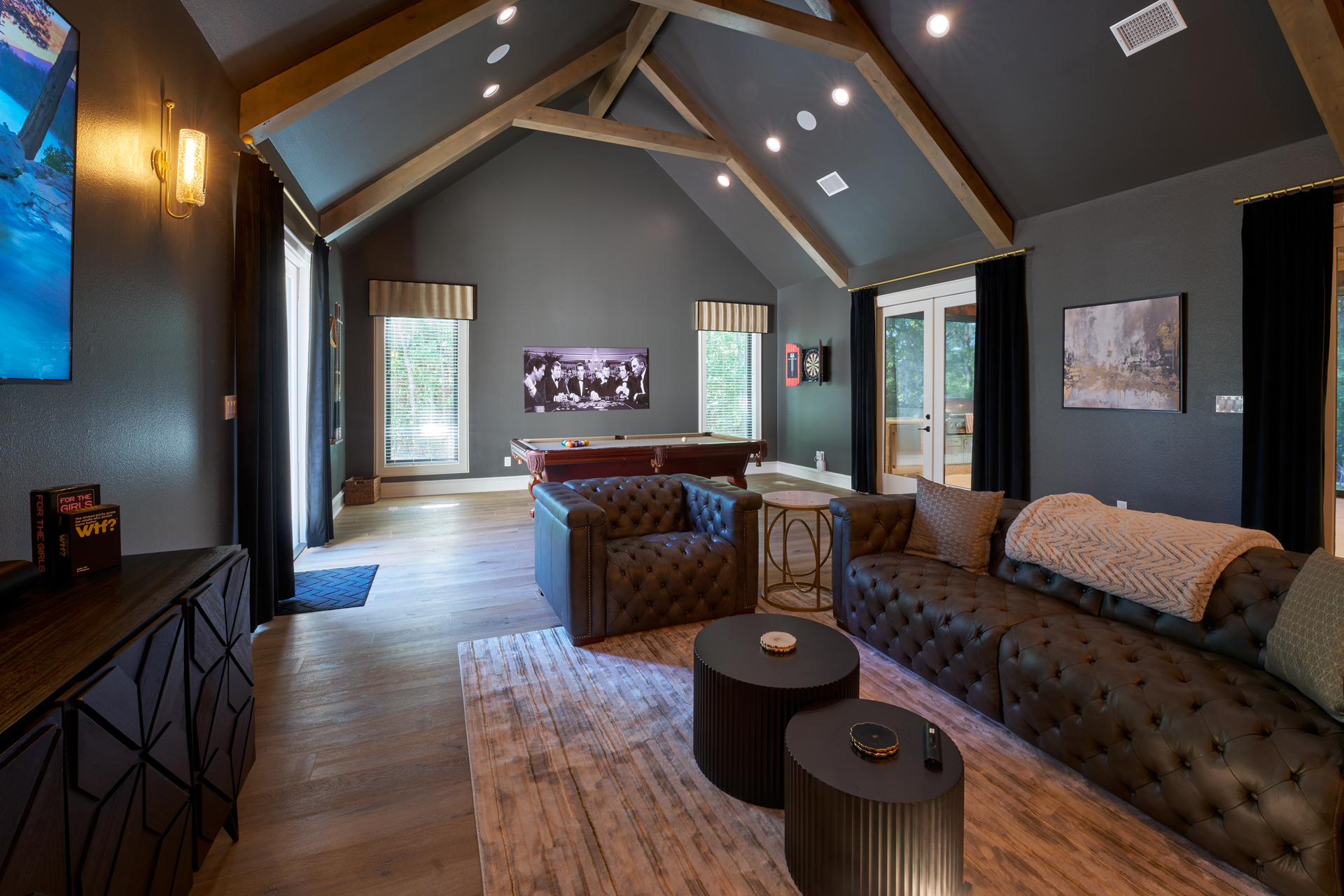
Planning a lake house in Texas is exciting, especially when you want a home that stays comfortable, saves energy, and makes the most of your lakeside views. An energy efficient lakeside home plan goes far beyond insulation and window choice. It blends smart design, site strategy, engineering, and lifestyle planning to create a home that performs well in every season—whether you build on Lake Travis, Lake LBJ, Lake Conroe, Lake Houston, Canyon Lake, or Lake Texoma.
At Ceci Bates Custom Homes, we help families across Texas design homes that stay cool, use less power, and work in harmony with the land. This guide gives you the practical, homeowner-friendly insight needed to make strong decisions from day one.
Why Energy Efficiency Matters Even More on a Lake
Lake homes face environmental conditions that typical inland homes do not. Water amplifies sunlight, increases humidity, and changes temperature faster. Because of this, a basic house plan often struggles near a lake. Smart, energy-efficient design solves the problem before it happens.
Here’s why lakeside homes benefit from an energy-efficient approach:
More Sunlight and Glare
Water reflects light, which can raise indoor temperatures. Smart window placement and shading keep your home cool without overworking the AC.
Stronger Winds
Lakes attract steady breezes. When used correctly, these breezes support passive cooling and improve comfort.
Moisture and Humidity
Texas lakes vary in humidity, especially in East Texas and Gulf Coast regions. Building materials and ventilation strategies matter more than most people expect.
Temperature Swings
Hill Country lakes, including LCRA-regulated waters, often see fast shifts in morning and afternoon temperatures. Energy-savvy design smooths out those swings.
Because each lake region behaves differently, an experienced lakefront builder helps shape plans that match the land and the climate. See how our process works.
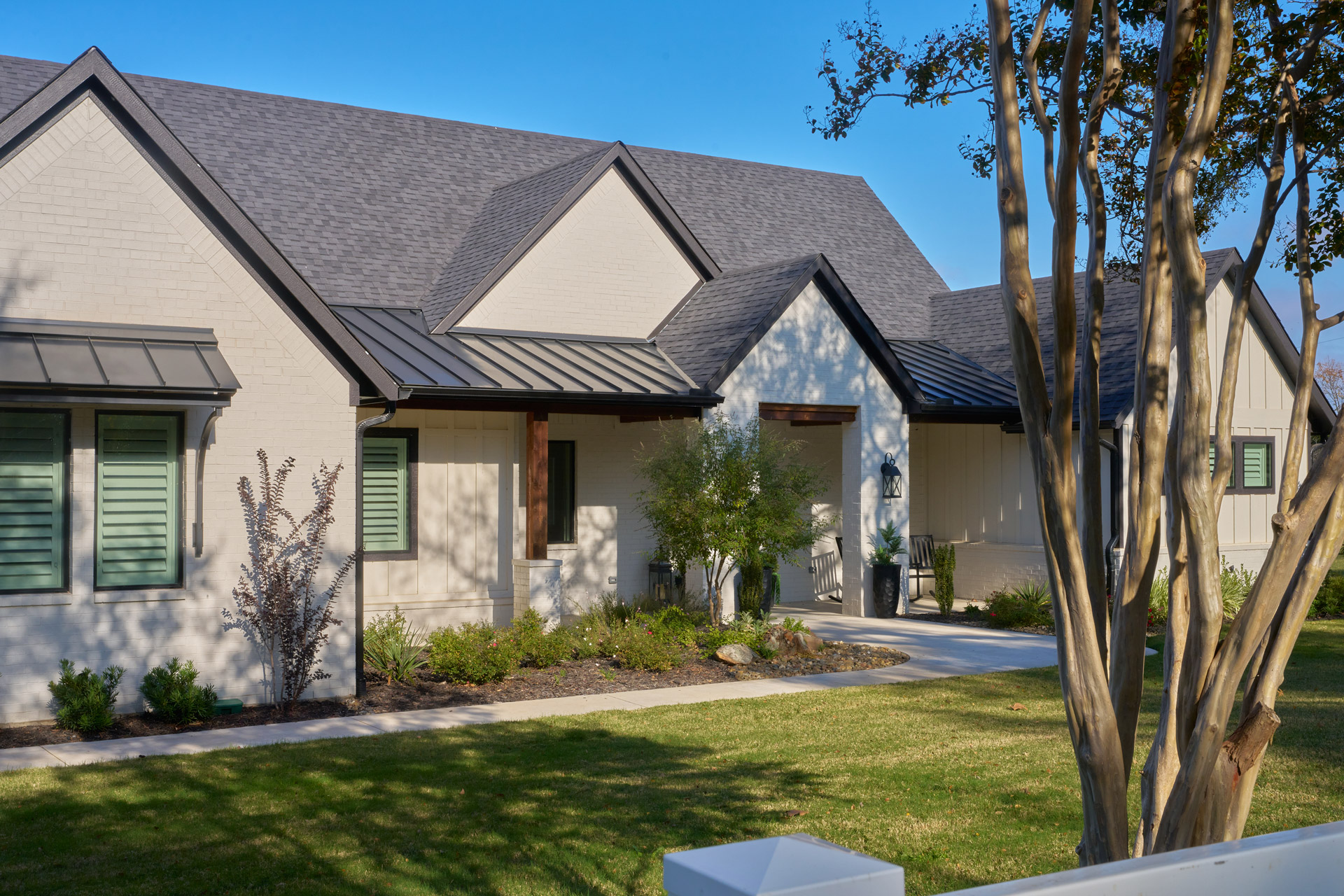
Start With the Land: Site-Smart Design Matters
An energy efficient lakeside home plan begins with the land itself. Many homeowners choose a design before studying how the sun, wind, slope, and views interact with the lot. However, the land tells you where the home wants to sit.
Here’s how location impacts efficiency:
Orientation
When your home faces the right direction, you gain natural light while reducing heat gain. South and southeast exposures often bring balanced light for Texas climates.
Wind Patterns
Prevailing winds differ between Lake Texoma, Lake Travis, and Lake Houston. When we design openings with those winds in mind, homes receive natural ventilation in spring and fall.
Tree Cover
Trees support shading, privacy, and natural cooling. We consider them part of the energy strategy, not obstacles to work around.
Slope and Drainage
Water always moves toward the lake. A plan that respects slope reduces moisture issues and supports long-term durability.
A lakeside design that follows the land always performs better than a generic home placed on any lot.
The Core Elements of an Energy Efficient Lakeside Home Plan
Energy efficiency is not one feature—it’s a system of decisions working together. The most successful Texas lake homes combine building science, smart materials, and lakeside best practices.
High-Performance Building Envelope
Your walls, windows, doors, and roof should work together. Because Texas sees intense heat, we often use:
-
Advanced framing methods
-
Foam or hybrid insulation
-
Radiant barriers
-
Air sealing strategies
-
Energy-efficient windows designed for sun and glare
These decisions lower utility bills immediately.
Smart Window Strategy
Windows create the lake view, but they also let in heat. That’s why placement, shading, glazing, and orientation matter so much.
Low-E windows help block UV rays and keep heat outside. The U.S. Department of Energy offers guidance on window efficiency.
HVAC Designed for the Lakeside Environment
Humidity and sun exposure overwhelm undersized systems. Right-sized HVAC with zoned control and smart thermostats is essential.
Roof Color and Material
Light-colored roofs and reflective materials reduce heat absorption. Metal roofs also work well on lakes, especially in high-wind zones.
Natural Light Without Overheating
Clerestory windows, covered porches, and overhangs provide daylight without excess heat.
Durable, Moisture-Resistant Materials
Humidity and wind require stronger materials, especially near Lake Livingston, Lake Houston, or coastal lakes.
We choose siding, trim, and decking that hold up to moisture, wind, and sun exposure.
Outdoor Living That Supports Energy Efficiency
Most Texas lake homeowners spend a good part of the day outside. That’s why outdoor living spaces aren’t just lifestyle features—they also help your energy strategy.
Deep Porches and Covered Patios
These features shade walls and windows, lowering indoor heat.
Screened Rooms
Ideal for Texas lakes with mosquito activity. They extend usable living space without requiring more conditioned square footage.
Breezeways
They channel natural breezes and cool nearby spaces.
Smart Deck Placement
Decks should offer views while avoiding intense afternoon heat when possible.
Homes that blend indoor and outdoor comfort are easier to cool and more enjoyable to live in.
To get a sense of how we approach lakeside home design, you can visit us.
Energy Efficiency and Lake Regulations: What Homeowners Should Expect
Texas lakes—especially LCRA-regulated lakes like Lake Travis and Lake LBJ—have specific rules that impact design choices. Efficient design often aligns well with these requirements.
Shoreline Setbacks
Setbacks limit how close you can build to the water. A lake-conscious builder uses setbacks to improve drainage and reduce heat load.
Tree Preservation
Trees often must remain in place. Smart builders use them as part of the shading and cooling strategy.
Drainage Control
Many lakes require erosion control and stormwater plans. Good drainage is also essential for protecting your home’s envelope.
Floodplain Considerations
Some lakeside properties fall within FEMA-defined flood zones. Elevated foundations can help the home stay safe and energy-efficient.
A builder who understands lake regulations will always design with both efficiency and compliance in mind.
Technology That Helps Your Home Use Less Energy
Smart home features work extremely well in lakeside environments because they handle temperature shifts and lifestyle patterns automatically.
Some of the best tools include:
Smart Thermostats
They adapt to your schedule and help manage humidity.
Zoned HVAC Systems
These systems cool only the spaces you use most.
Automated Shading
Motorized shades control sun exposure throughout the day.
Energy-Efficient Lighting
LED systems reduce heat and lower energy use.
Solar Integration
Texas lakes often provide excellent sun exposure for solar energy.
Energy-efficient tech does not replace good design—it enhances it.
Common Mistakes Homeowners Make When Planning a Lakeside Home
After building many homes across Texas lakes, we often see the same mistakes repeated by first-time lake homeowners.
Choosing a Standard Plan
Generic plans rarely work well on lakes because they ignore wind, slope, water reflection, and unique solar patterns.
Underestimating Sun and Glare
Texas lakes create intense afternoon heat. Without careful window strategy, interior spaces can feel uncomfortable.
Forgetting About Humidity
Moisture affects siding, insulation, flooring, and comfort. Poor airflow leads to long-term issues.
Skipping a Site Study
A full site evaluation guides everything—from foundation design to orientation.
Hiring a Builder Without Lake Experience
Lake homes need a specialized approach, especially where regulations and soil conditions vary.
A lake-smart builder will help avoid all these issues by planning carefully from day one.
Why Texas Homeowners Choose Ceci Bates Custom Homes
Designing and building an energy efficient lakeside home plan is a big investment, and homeowners want confidence in the team guiding them. At Ceci Bates Custom Homes, we bring real-world experience from projects across Texas lakes.
You can expect:
-
A clear, organized design and build process
-
Homes tailored to the land and lake conditions
-
Energy-efficient strategies built into the design
-
Honest communication at every step
-
A team that understands Texas climate, soil, and lake rules
If you’re planning your first Texas lake home, our team is here to walk you through each stage with clarity and confidence.
Bringing Your Energy-Efficient Texas Lake Home to Life
A well-designed lakeside home should stay cool, feel comfortable, and work with the landscape—not against it. When energy efficiency becomes part of the foundation, the home performs better, lasts longer, and costs less to operate. More importantly, it becomes a place where your family can enjoy the lake for generations.
If you’re ready to design a high-performance home that fits your Texas lake lifestyle, the team at Ceci Bates Custom Homes is here to help shape your vision and bring it to life.