
An Established Community on Lake Texoma
Custom Home Building in Thompson Heights at Lake Texoma
Multi-acre lots on the deep water coves of Lake Texoma. A gated community where the standard has already been set. The builder who knows what it takes to meet it.
The Community
An Established Community on the Southeastern Shoreline
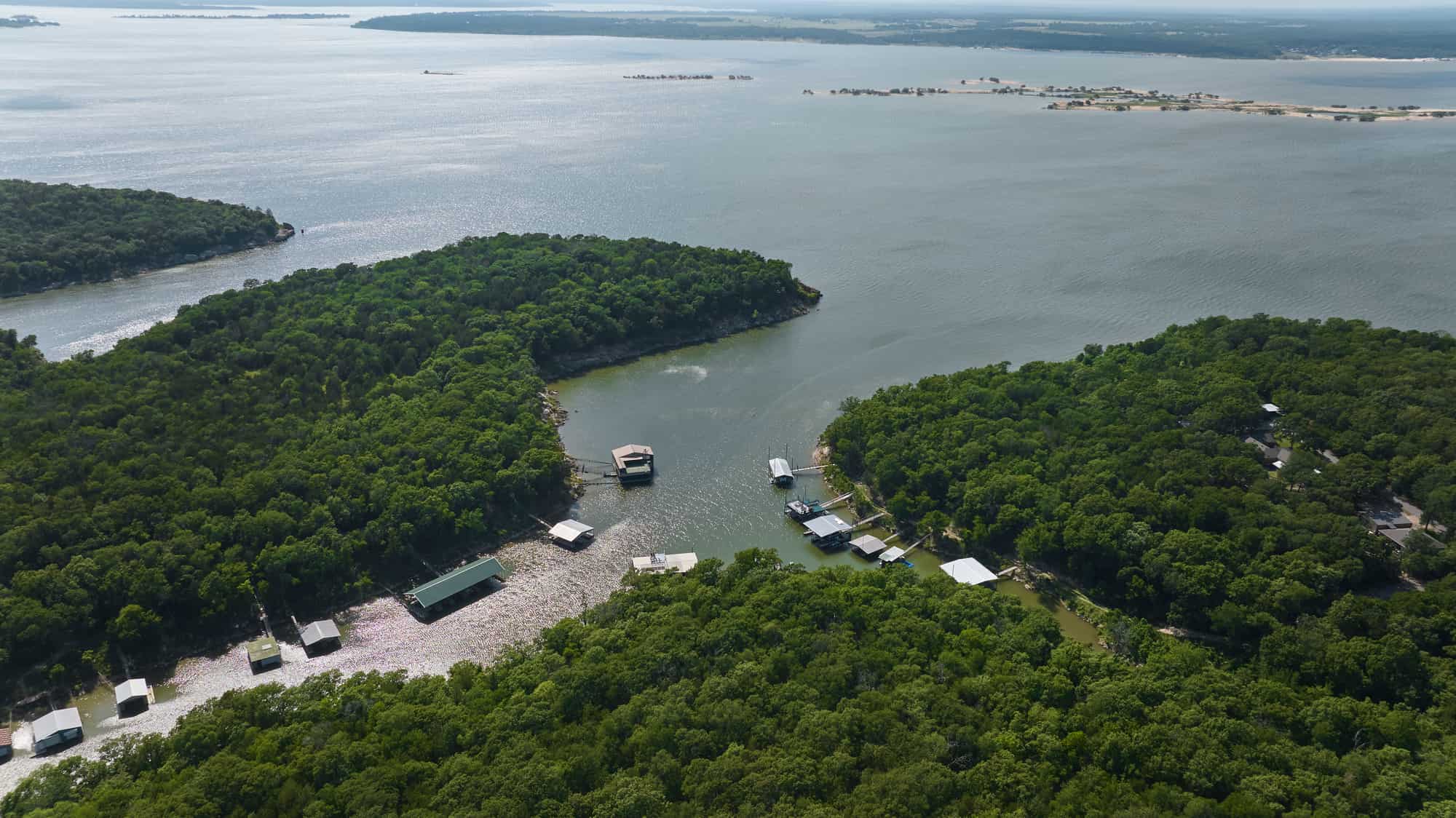
Thompson Heights is a gated luxury community on the southeastern shoreline of Lake Texoma, in Denison. Its lots are larger than those of most lakefront subdivisions — multi-acre parcels ranging from approximately one to three acres, several positioned on deep water coves with private shoreline frontage and mature tree cover. The community is fully gated, with a review process that has been operating for years and a built character that reflects more than a decade of careful additions.
This is not a new development. Thompson Heights is what a luxury lakefront community looks like after it has matured — a neighborhood where the architectural standard has been set by what has already been built, where lot premiums reflect proven value rather than speculative pricing, and where the buyer arriving today is choosing to enter an established context rather than to help define a new one.
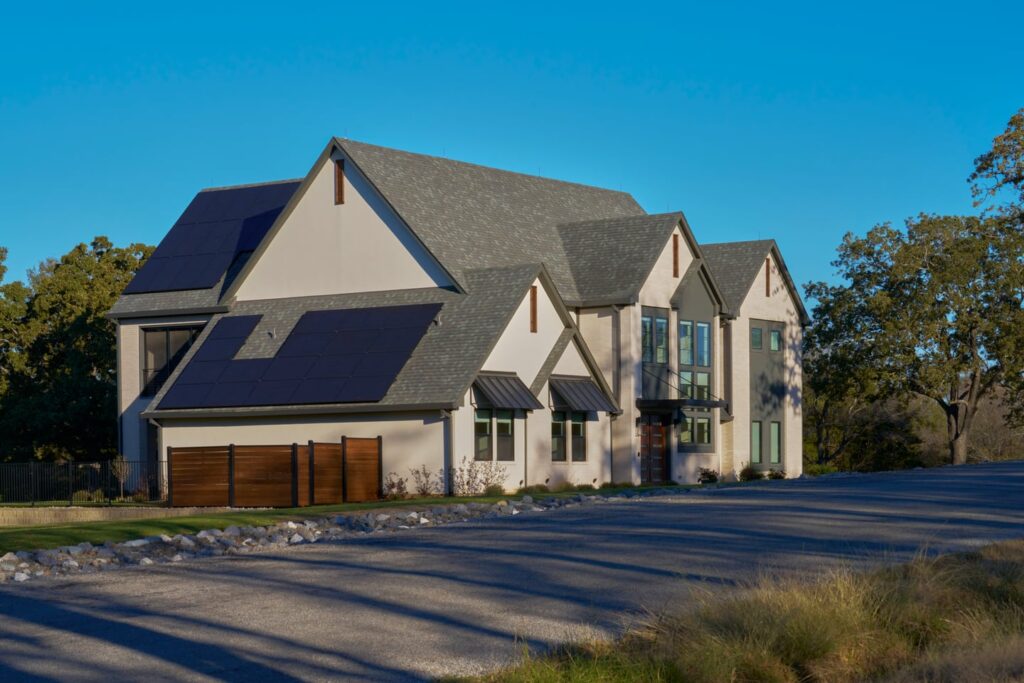
Lots within Thompson Heights are currently listed in the seven-figure range. The custom homes already in the community range from substantial to extraordinary — some with infinity pools terraced down to the water, full outdoor kitchens, helipads, and multi-level designs that open every primary room to the cove view. The standard has been set, demonstrably, by what is built and lived in today.
“This is the kind of community where a custom home must earn its place.”
— Scott Bates
The Discipline
Building Into a Community Already Built
When you build in a new development, your home is among the first. The standard is being set in real time. The neighborhood is forming around you, and you are part of forming it.
Thompson Heights is different.
When you build in Thompson Heights, your home is arriving into a community that already exists. The neighborhood has been here. The architectural language has been established. The covenants have been operating long enough that the review process is informed not just by written guidelines but by what has been built and what has been approved over the course of years. Your neighbors are real, existing, and watching with reasonable interest as the new home rises beside theirs.
A custom home in this context is not a solo composition — it is a contribution to a conversation that is already underway. The lot speaks. The neighbors’ homes speak. The covenants speak. A builder’s job is to listen first, then to design and build a home that adds to the conversation rather than interrupting it.
This requires its own discipline. The home must engage with what is already there — in scale, in material palette, in the relationship to topography and sight lines, in the way it sits on its lot relative to how the existing homes sit on theirs. It must also be unmistakably itself: not a copy of what is around it, not a deferential repetition, but a clear individual voice that belongs in the room because it has earned the right to be there.
This is the work we have been doing at Rock Creek for years. It is the work we have refined across multiple gated lakefront communities. It is the work Thompson Heights is asking for.
“A new development asks a builder to define the standard. An established community asks a builder to meet it. Both are real work. Thompson Heights asks for the second.”
— Scott Bates
The Precedent
Building in Established Lakefront Communities
Rock Creek is the parallel. A gated covenanted lakefront community on the Texas side of Lake Texoma, thirty miles west of Thompson Heights. We are currently building multiple homes there, and we have been an approved Rock Creek builder for years. Each home we build at Rock Creek sits among completed homes. Each one is reviewed against the precedent of what has been approved before. Each one must engage with what is already on its street.
The skills transfer directly. Our architect has designed for review boards that scrutinize site lines, material palettes, roof pitches, and the relationship between new construction and existing context. Our superintendents have coordinated builds inside active communities where construction traffic shares roads with residents who are not on a schedule we control. Our project managers have navigated the slower approval cycles that mature communities require — and have learned how to plan around them so that the build’s timeline holds.
When you are building in Thompson Heights, you are choosing a builder for whom this is routine work. Not a stretch. Not a first time. The same team, with the same process, applied to a community we already know how to operate within.
The Review
The Architectural Review at Thompson Heights
The review at Thompson Heights is informed by everything that has already been built within the gates. This is what gives a mature community its character: every new home is held to a standard the community has already proven works. The covenants are one input. The lived standard — what the existing homes have established as the visual and material language of the neighborhood — is another. The relationship with the architectural review board matters: it is informed by years of approvals and refusals.
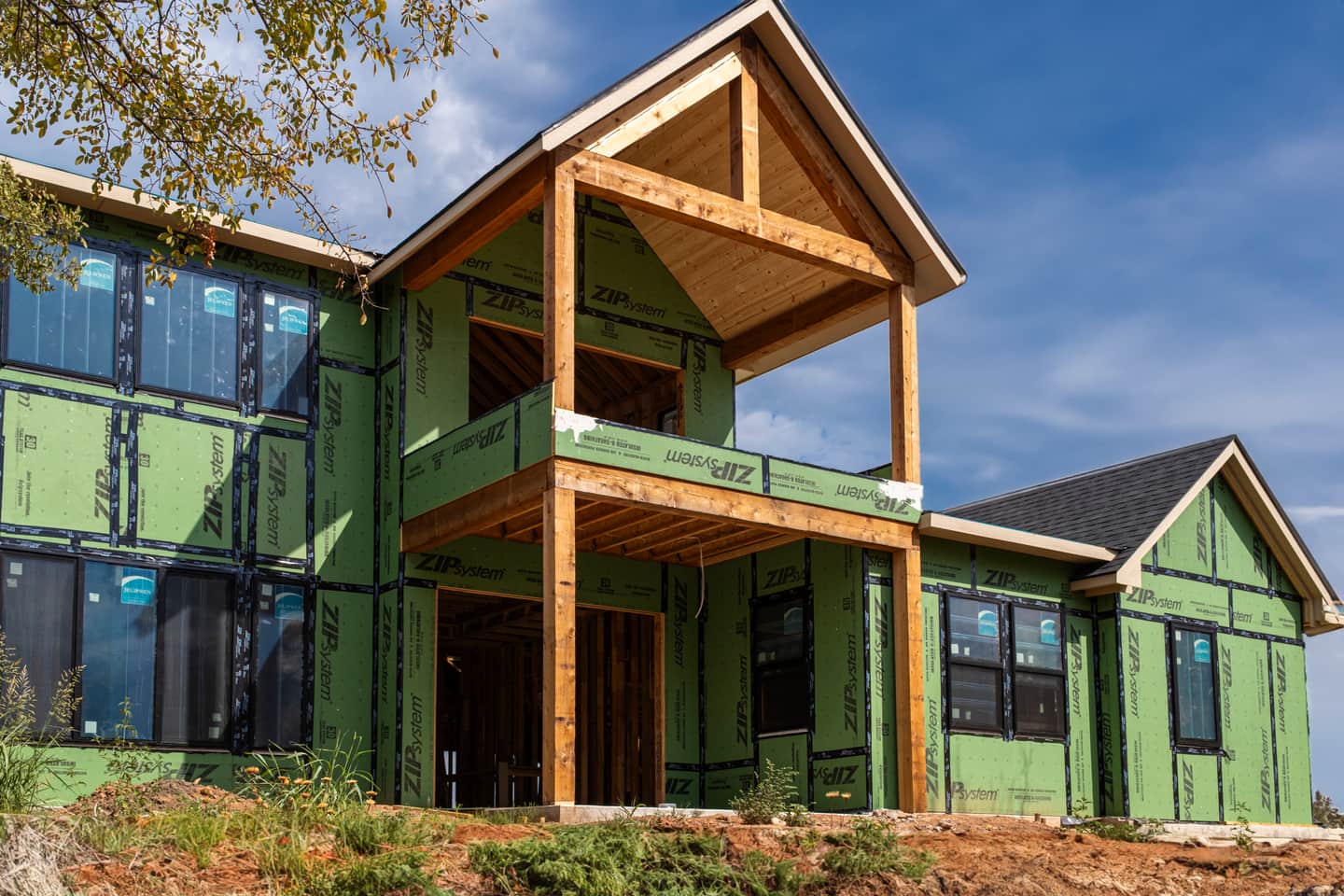
For a builder, this means the design and approval process is more layered than it would be in a new development. The submission is not simply a check against written guidelines; it is a proposal that must read as appropriate against the built precedent. Renderings and selections need to engage with what neighbors will see. Construction details must be thorough enough to demonstrate quality at the standard the community expects.
Our architect, Roberth Jordan, has designed for review processes of this caliber across multiple communities. The submissions we present are calibrated. The revisions we anticipate are factored into the timeline rather than treated as surprises. The relationship with the review board is one we have built before — and one we treat with the seriousness that mature communities deserve.
“An architectural review is not an obstacle. It is a conversation with a community about whether a new home belongs.”
— Scott Bates
The Land
The Deep Water Cove and the Multi-Acre Lot
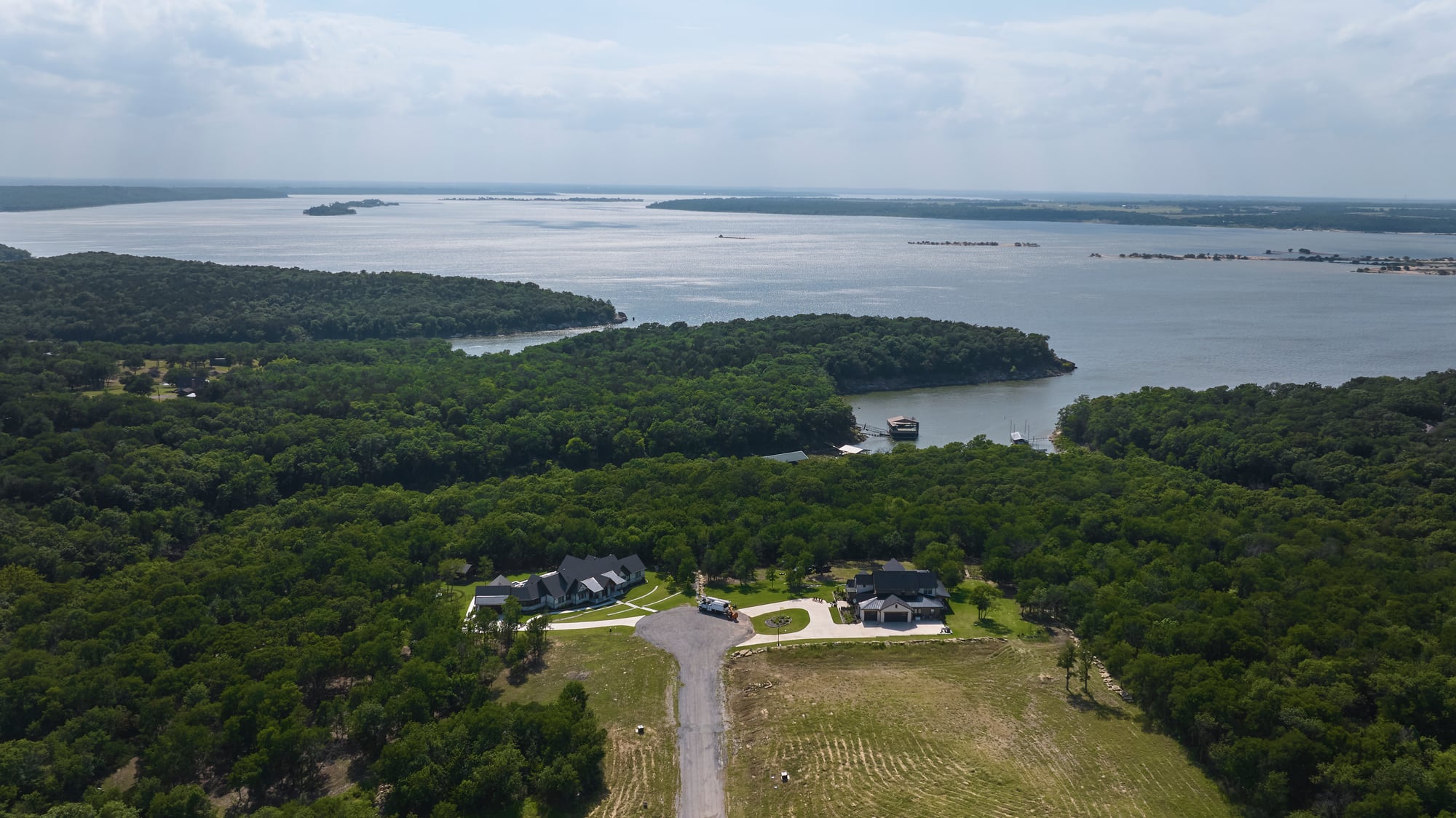
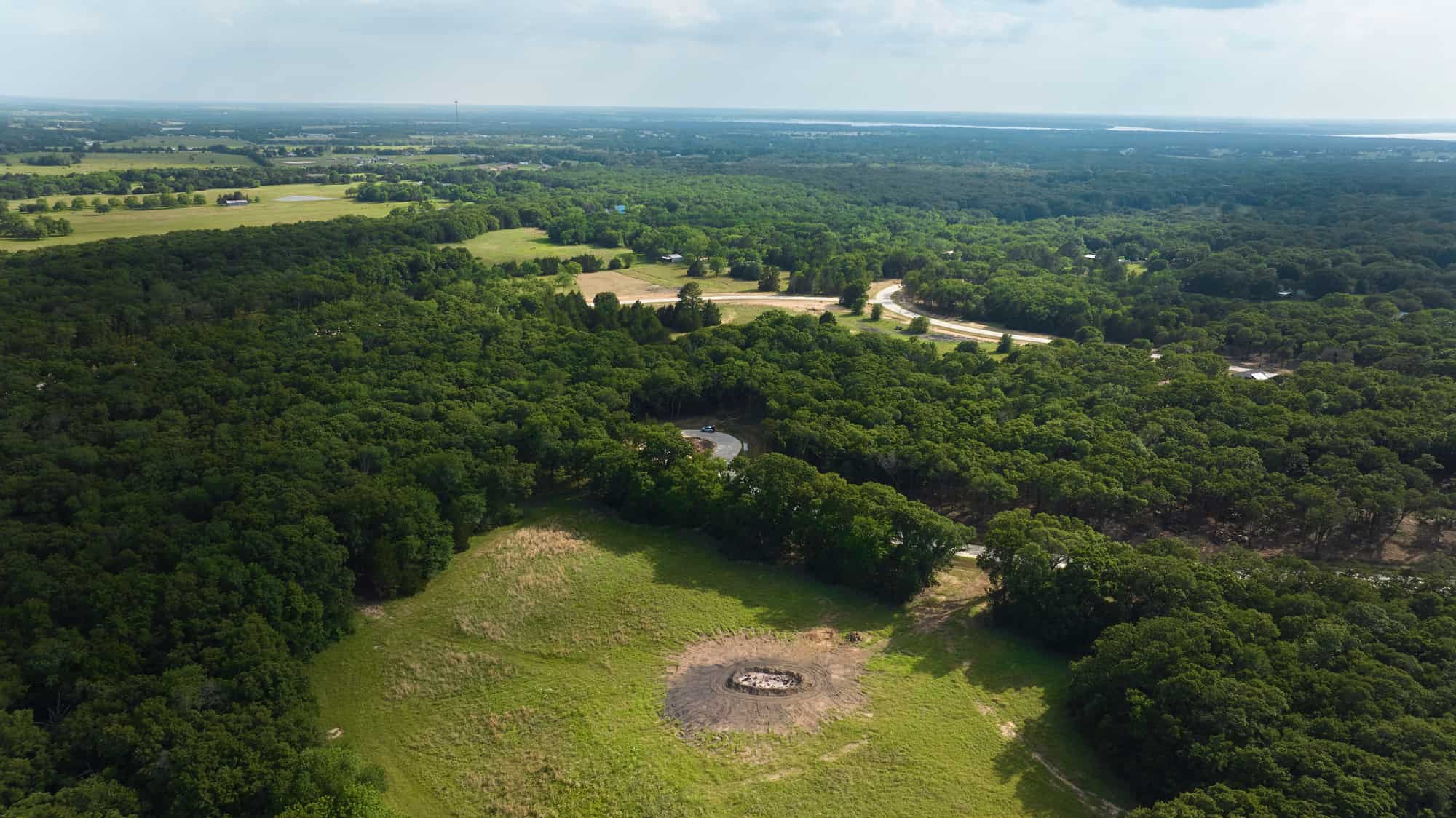
Thompson Heights lots share a particular character. Most are between one and three acres. Many sit on deep water coves — water depth that remains useful through low-lake seasons, a quality that is rarer on Lake Texoma than its eighty-nine-thousand-acre footprint suggests. The lots are large enough to support substantial architecture, mature tree cover, and the kind of privacy that a smaller subdivision lot cannot offer.
The cove
Deep water shoreline frontage
The lot
Multi-acre, mature trees, privacy
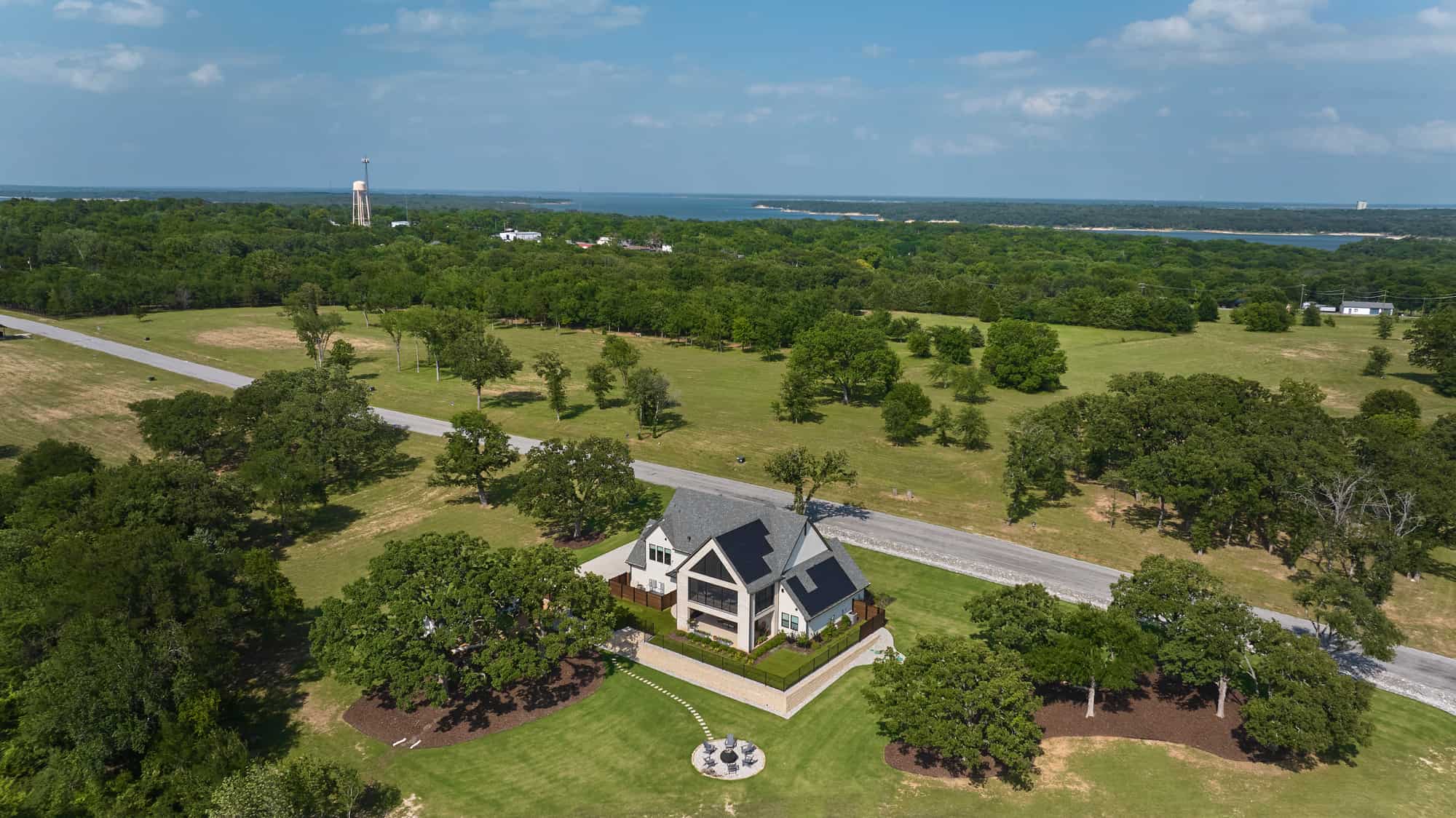
The context
Home within an established neighborhood
What this means for the home: a custom build at Thompson Heights can stretch. The footprint can extend. The outdoor living can be substantial — an outdoor kitchen, a pool that terraces toward the cove, generous porches and decks. The home can sit back from the road with a meaningful driveway approach rather than crowding the lot line.
“The land allows the architecture. The architecture honors the land. This is what a multi-acre lakefront lot makes possible — and what the homes already built in Thompson Heights have established as the standard.”
— Scott Bates
The Network
Connected to Lake Texoma and the Surrounding Region
Thompson Heights sits within a network of communities we know in detail. The lake itself, the towns that anchor its shorelines, and the sibling communities along its coves all share a single team, a single process, and a single standard.
Some lakefront neighborhoods take twenty years to establish. We have been building on this water for twenty-six.
Building at Thompson Heights Begins with a Conversation
Whether you are evaluating a lot at Thompson Heights, designing a home that will sit among the community's existing builds, or simply researching builders who understand how to work inside established gated lakefront communities, the first step is the same — a conversation about what you have in mind and how our team can serve it.
Begin a ConversationExplore our process →Not sure if we are the right fit? →