
A Service Area in Bryan County — Oklahoma Side
Custom Home Building in Durant, Oklahoma
The capital of the Choctaw Nation. The county seat of Bryan County. The regional anchor twenty minutes north of Lake Texoma — and forty minutes north of our office.
The City
A Small City With Institutional Gravity
Durant is a city of approximately 18,500 residents in Bryan County, Oklahoma. By Lake Texoma standards, it is a real city — substantially larger than every other town in the service area network and large enough to function as the regional anchor for the entire Oklahoma side of the lake. Its institutional presence is the defining feature. The Choctaw Nation, the second-largest Native American nation in the United States, makes its capital here in a 500,000-square-foot headquarters complex on an eighty-acre campus in south Durant. Southeastern Oklahoma State University, founded in 1909, anchors the city’s educational and cultural life. First United Bank — one of the largest privately owned banks in the country — is headquartered in Durant. AllianceHealth Durant serves as the regional hospital. The Choctaw Casino & Resort, one of the largest casino-resorts in the United States, sits on the city’s southern edge.
Durant is a city of approximately eighteen thousand five hundred residents in Bryan County, Oklahoma. The county seat. The capital of the Choctaw Nation. The home of Southeastern Oklahoma State University. The headquarters of First United Bank. The largest small city on the Oklahoma side of Lake Texoma.
This concentration of institutional presence gives Durant a small-city bearing that distinguishes it from the lake towns south of it. The downtown is real — historic, walkable, with a working courthouse square and a retail district that has been operating for more than a century. The residential neighborhoods are substantial. The custom home market includes both town residential and Bryan County ranch acreage. And the regional position — at the intersection of US 69/75 and US 70, eighty-eight miles south of Dallas, two hours north of the DFW metroplex — makes Durant the corridor anchor for the entire Texoma region’s Oklahoma side.
“For the buyer evaluating Durant, the recognition is this: a real city, with real services, set within driving distance of Lake Texoma’s quieter shorelines.”
— Scott Bates
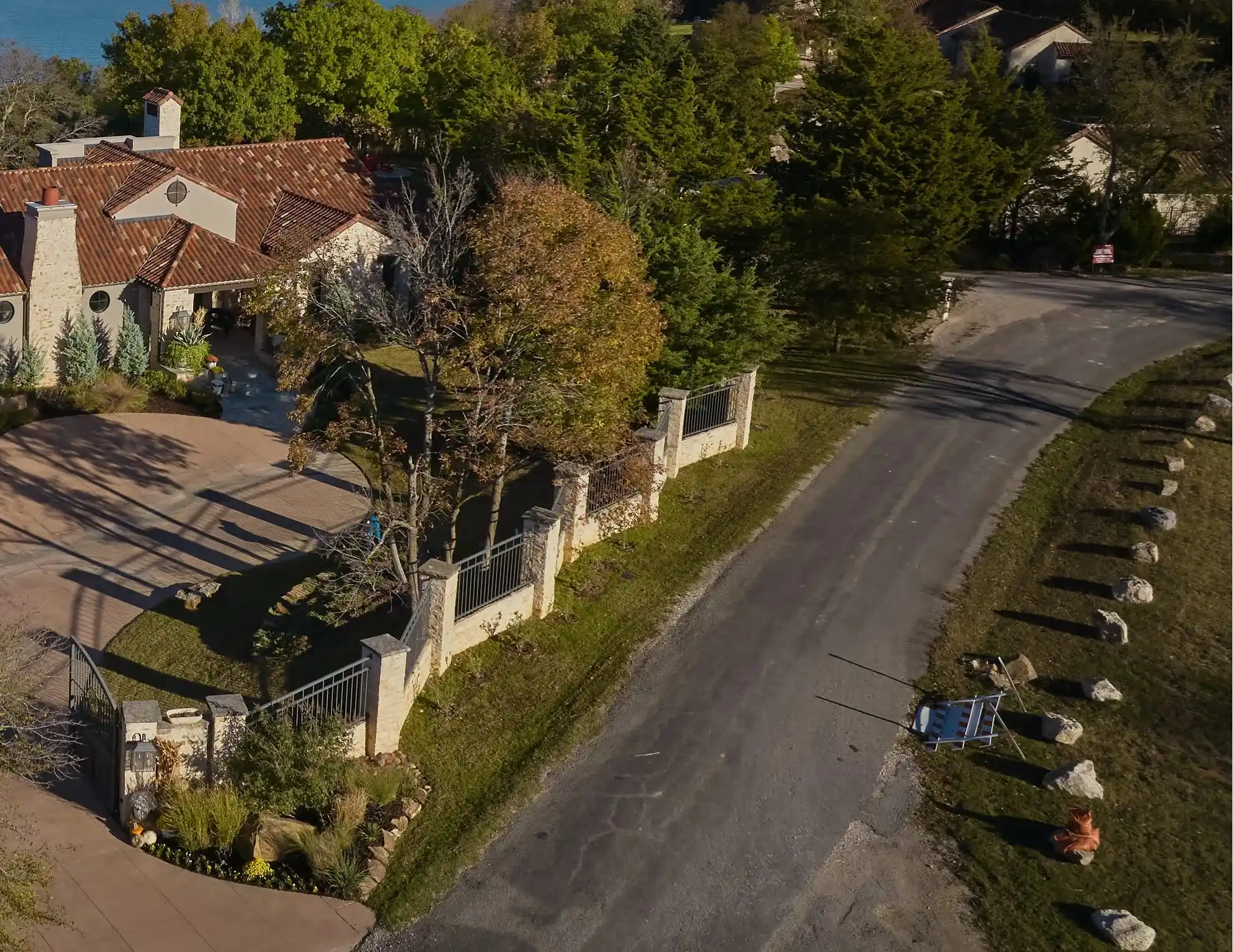
The Position
The Lake-Adjacent
Regional Hub
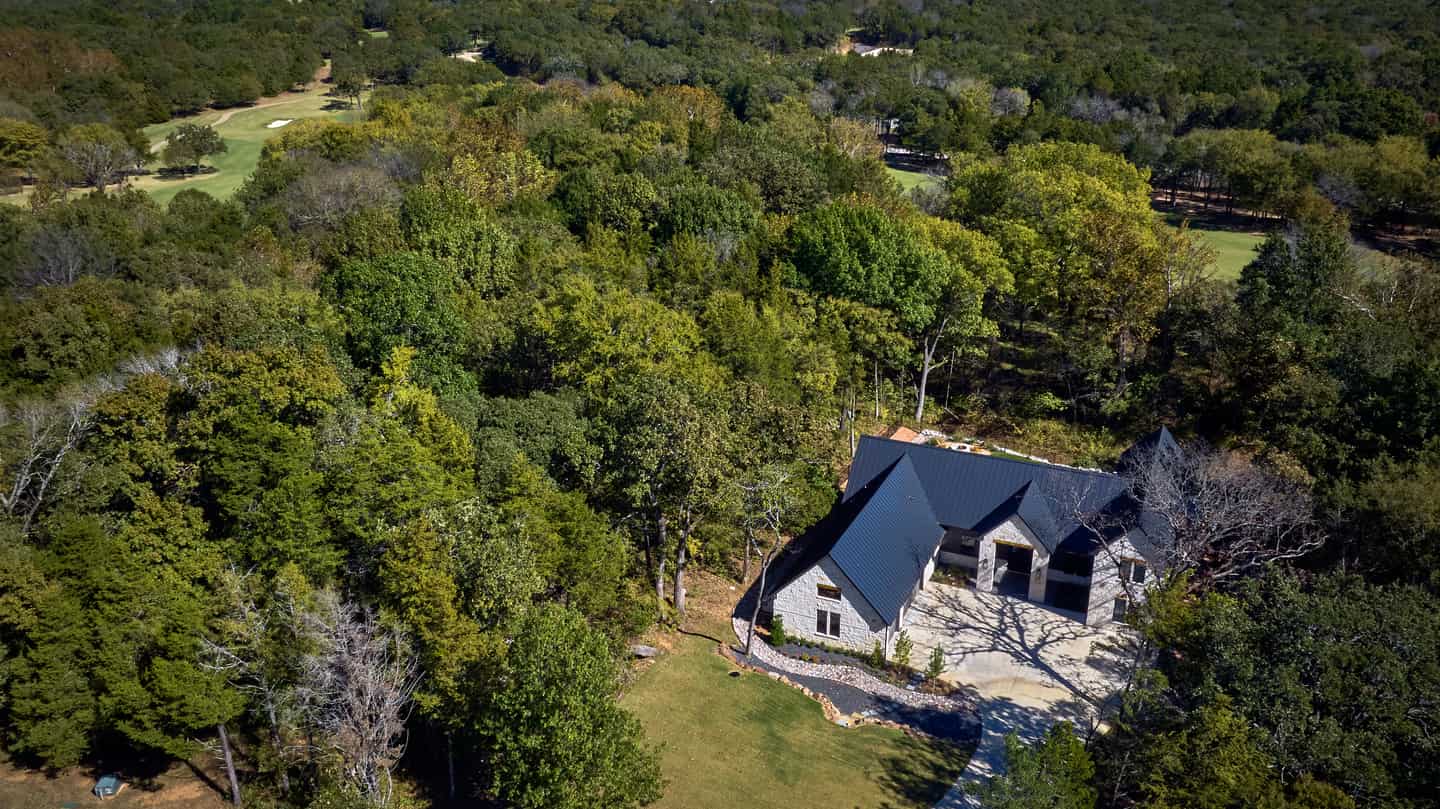
Durant is not on Lake Texoma. The lake’s northern arm sits approximately twenty miles south of the city, and the Red River — the Texas border — sits about fourteen miles further south. This geographic distinction matters for how Durant functions as a place to live. The lakefront experience belongs to Kingston, to Pointe Vista, to the smaller communities along the southern shoreline. Durant offers something different: the small-city services, the institutional presence, and the residential depth that the lake towns cannot match, with the lake itself a short drive south rather than an immediate horizon.
For the Legacy Steward, this is often the right combination. A custom home in Durant or in Bryan County means access to the regional hospital, the university, the working downtown, restaurants and services that a town of fifteen hundred residents simply cannot support. It also means access to Lake Texoma — twenty minutes to the northern coves, thirty minutes to the destinations along the lake’s Texas-side shoreline. The buyer who wants lakefront frontage builds at Reflection Pointe or Thompson Heights. The buyer who wants the lake as a regular destination rather than a daily horizon builds in Durant.
This position also makes Durant the corridor anchor for buyers arriving from Dallas-Fort Worth. The drive from DFW to Durant is eighty-eight miles up US 69/75 — one and a half hours under normal conditions, less when traffic cooperates. The drive from DFW to Lake Texoma’s Oklahoma side passes directly through Durant. For the buyer relocating from Texas with regular trips back, Durant is meaningfully closer to home than the southern lake communities.
“The lake is twenty minutes south. The city is here. Both matter; neither has to dominate.”
— Scott Bates
The Setting
The Bryan County Setting
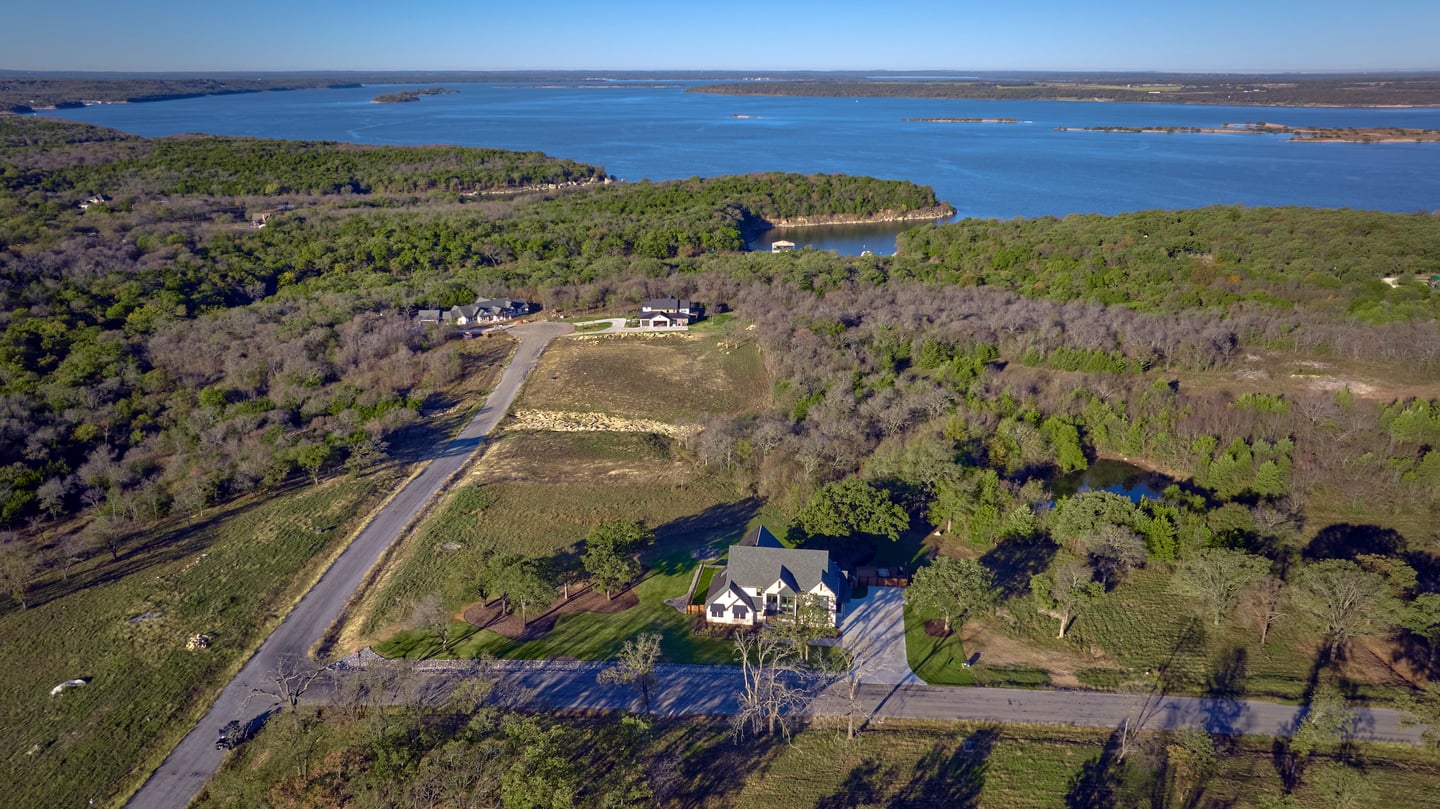
Bryan County contains ten townships and a population of approximately forty-six thousand spread across rural southeastern Oklahoma land that includes ranch country, lake corridor, and the Choctaw Nation’s western reach. Beyond Durant, the county’s small towns include Calera (originally named Sterrett, immediately south of Durant on US 69/75), Colbert (the southernmost town, just north of the Red River), Caddo (to the northwest, on US 75), Achille, Bokchito, Bennington, and Kemp. Each has its own character — Calera and Colbert as the corridor towns between Durant and Texas, Caddo and Bokchito as the rural agricultural communities to the north, Achille and Bennington as the smaller eastern settlements. Cumberland, on the lake’s northern shoreline, technically sits in Marshall County but is functionally part of the Durant orbit.
For the buyer thinking beyond Durant’s specific city limits, the broader Bryan County landscape offers substantial acreage opportunities. The corridor between Durant and the Red River — along US 69/75 through Calera and Colbert — contains both established residential pockets and larger tracts suitable for ranch-style custom homes, equestrian operations, family compounds, or the kind of generational property that requires more than a town lot can provide. The corridor to the north and west — toward Caddo, Bokchito, and the Choctaw Nation’s wider reservation lands — offers similar acreage at lower price points, with the same regional access to Durant’s services.
This is the part of southeastern Oklahoma that the Texas buyer relocating north often discovers with some surprise: the land available per dollar is meaningfully different from north Texas, the pace is slower, and the character of the place is shaped by working agriculture and Choctaw Nation presence rather than by suburban subdivision logic.
“The city anchors the county. The land around it gives the home its room.”
— Scott Bates
The Two Pockets
Building in Durant and on the Land Outside It
The custom home opportunity in Bryan County divides cleanly into two categories. Each rewards a different kind of build.
Town Residential
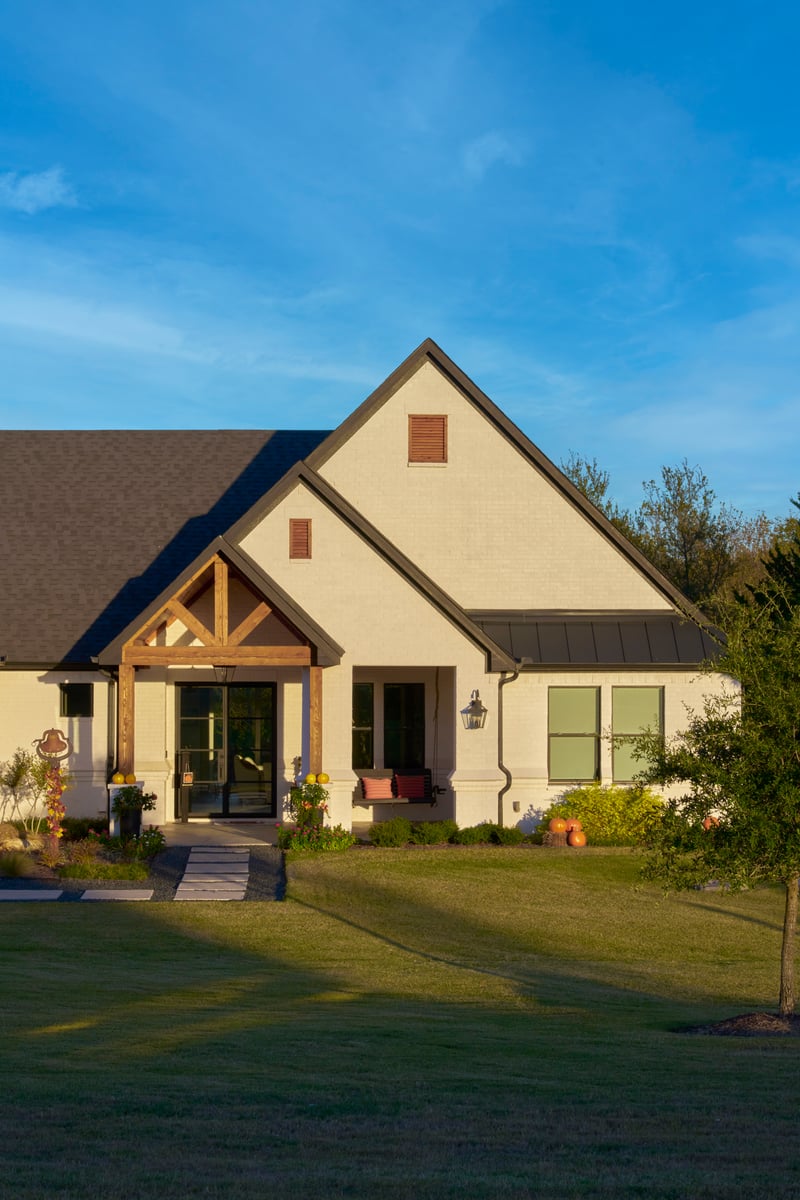
Durant's established residential neighborhoods offer the kind of substantial in-town building that a working small city supports. Lots are typically a quarter-acre to two acres, with mature trees, established infrastructure, and the proximity to downtown, university, hospital, and services that town residential implies. The custom homes built here tend to be substantial single-family residences — homes with real architectural detail, generous interior square footage, and the design discipline that a working small-city neighborhood expects. The architectural review at the neighborhood level varies; some Durant neighborhoods have HOAs and covenants, others do not.
County Acreage
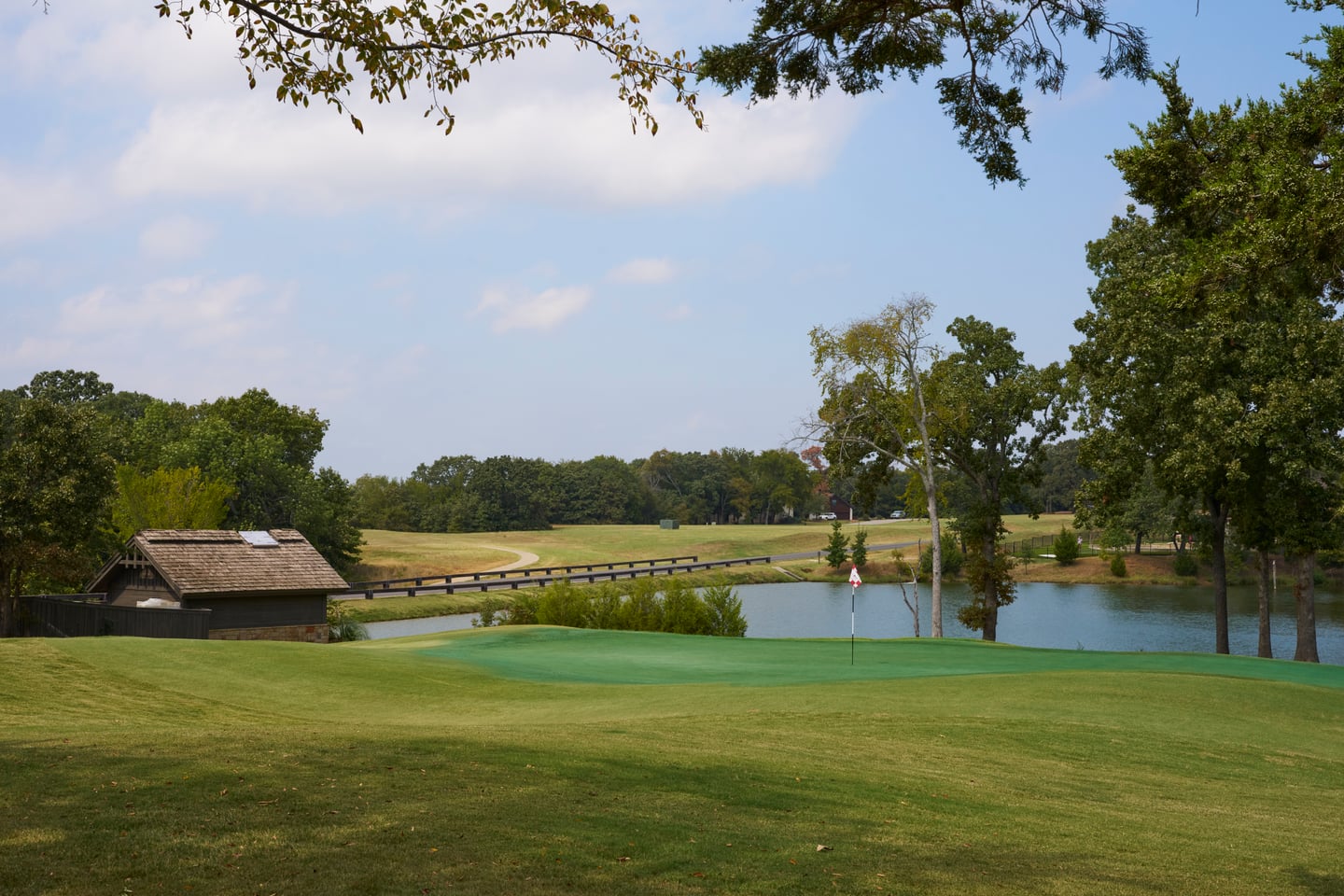
Bryan County's rural corridors offer something different. Acreage tracts ranging from five to fifty-plus acres allow for ranch-style custom homes, equestrian operations, guest houses, barns and outbuildings, and the kind of family-compound builds that require room to spread. Site work is more involved — septic systems, well water in many cases, longer driveway approaches, more substantial land preparation. The architecture has more freedom; without dense neighborhood context, the home can sit substantially on its land without competing with neighbors' rooflines. The site selection becomes the most consequential design decision the project makes.
“The same team handles both. The town home and the ranch home are different problems with the same set of solutions.”
— Scott Bates
The Credential
Forty Minutes North of Our Office
For us, Durant is forty minutes by road. Our office is in Pottsboro, Texas, just across the Red River. The drive between us is shorter than the drive across most Dallas suburbs — Pottsboro to downtown Durant takes less time than crossing the DFW metroplex from north to south during rush hour. The Oklahoma side of Lake Texoma, Bryan County, and Durant itself are part of the routine geography we work, not a separate market we have entered.
We have been on this side of the lake since 1999. Our subcontractors include crews who have built homes throughout Marshall County and Bryan County and the corridor between them. The materials we use come from regional suppliers who serve both states. Permitting and inspections in Oklahoma are part of our operational rhythm. For a custom home being built in Durant or on Bryan County acreage, the state line is the only meaningful boundary between our office and the build site — and that boundary is administrative.
For the Texas buyer relocating north into Durant, choosing a builder is not a question of which state the office sits in. It is a question of who has been working this region long enough to know it. For the Oklahoma buyer building locally, it is the same question. For the buyer arriving from further afield — from Oklahoma City, Tulsa, or any of the other regional capitals — the answer is the same: a builder with a quarter century of work across both shores and both sides of the corridor.
“Forty minutes from our Pottsboro office to Durant. We have been making this drive for twenty-six years.”
— Scott Bates
The Network
Connected to Lake Texoma and the Surrounding Region
Durant sits at the center of a network we know in detail. The lake to the south, the sibling Oklahoma town to the west, the Texas-side communities across the water, and the major developments rising on both shores — all share a single team, a single process, and a single standard.
The capital of the Choctaw Nation.
The county seat of Bryan County.
The Oklahoma side's regional anchor — served by a builder on this water since 1999.
Building in Durant Begins with a Conversation
Whether you are evaluating a lot in one of Durant's established residential neighborhoods, considering acreage in Bryan County, or simply researching builders who understand both the city and the rural corridor around it, the first step is the same — a conversation about what you have in mind and how our team can serve it.
Begin a ConversationExplore our process →Not sure if we are the right fit? →