
A Service Area in Fannin County — Northeast Texas
Custom Home Building in Bonham and Honey Grove, Texas
Two old Texas towns in Fannin County. A new lake to the north. A builder who has been working this corridor since long before the lake was built.
The County Seat
Bonham — The County Seat
Since 1843
Bonham is one of Texas’s oldest cities. The settlement began in 1837 when Bailey Inglish built a two-story blockhouse named Fort Inglish about two miles from the current downtown. The community that grew up around the fort was originally named Bois d’Arc, after the bow-wood trees native to the surrounding land. In 1843, the town became the county seat of Fannin County, and a year later it was renamed Bonham in honor of James Butler Bonham, a defender of the Alamo. The city was officially incorporated in 1848. The 1936 statue of James Bonham on the courthouse square — sculpted for the Texas Centennial — has been standing watch over the downtown for nearly ninety years.
The town’s central historical figure is Sam Rayburn. The longest-serving Speaker of the U.S. House of Representatives in American history, Rayburn lived in Bonham for most of his life and held office from 1913 until his death in 1961. The Sam Rayburn Library and Museum, the Sam Rayburn House State Historic Site, and the Sam Rayburn Memorial Veterans Center all sit within the city limits. When Rayburn was buried in Bonham in 1961, four U.S. presidents attended his funeral at First Baptist Church.
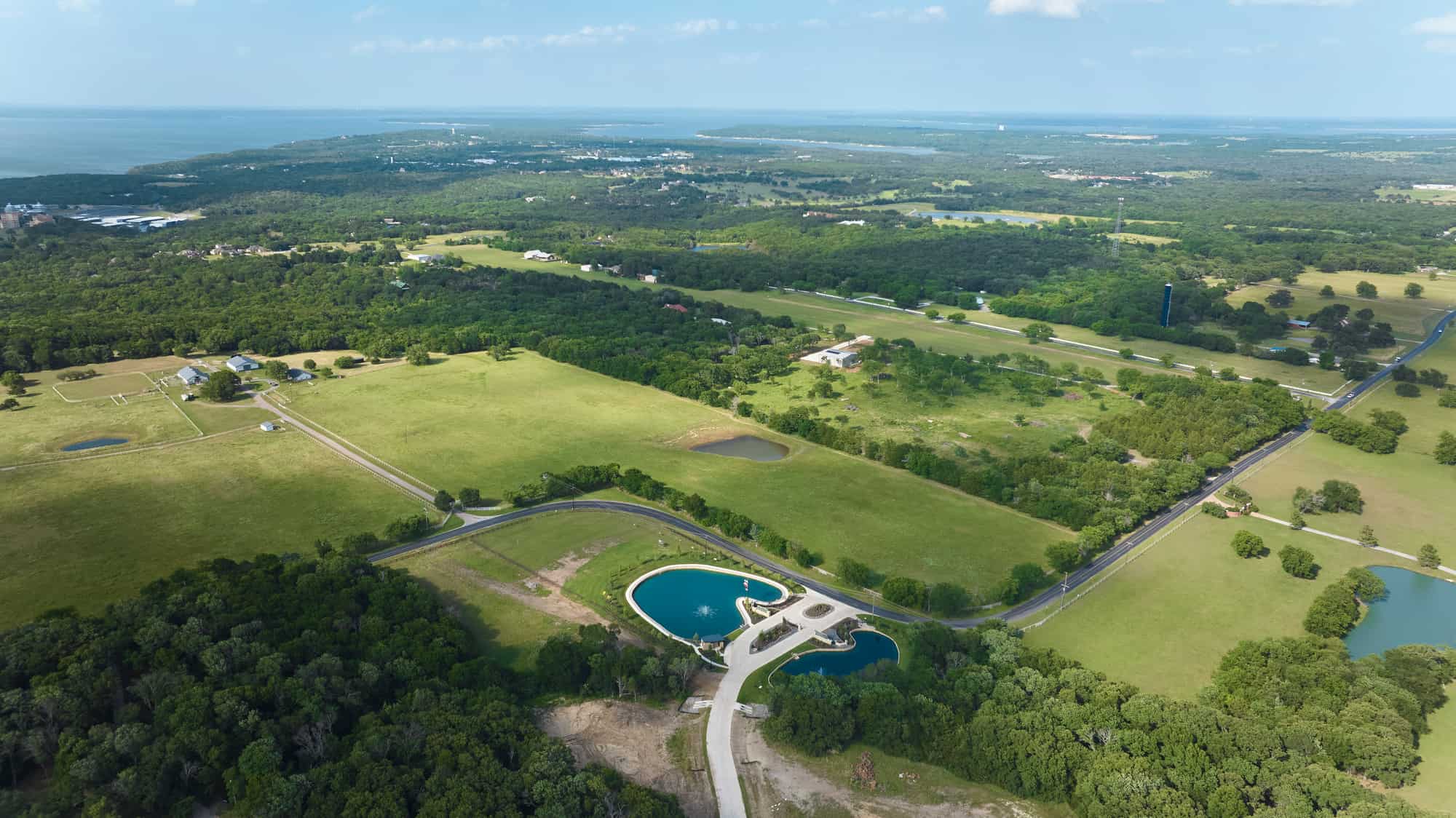
Bonham today is a working small town of 10,408 residents on U.S. Highway 82, fifty-five miles northeast of Dallas. The historic downtown square remains in active use — coffee shops, antique stores, the courthouse, the Steger Opera House (built 1890). Bonham Independent School District serves the area. Allen Memorial Hospital was originally built in 1903. The Fannin County Fair has been operating for nearly 140 years.
“Bonham is what a county seat looks like after it has been one for nearly two centuries.”
— Scott Bates
Fifteen Miles East on U.S. 82
The Sweetest Town
Honey Grove — The Sweetest Town in Texas
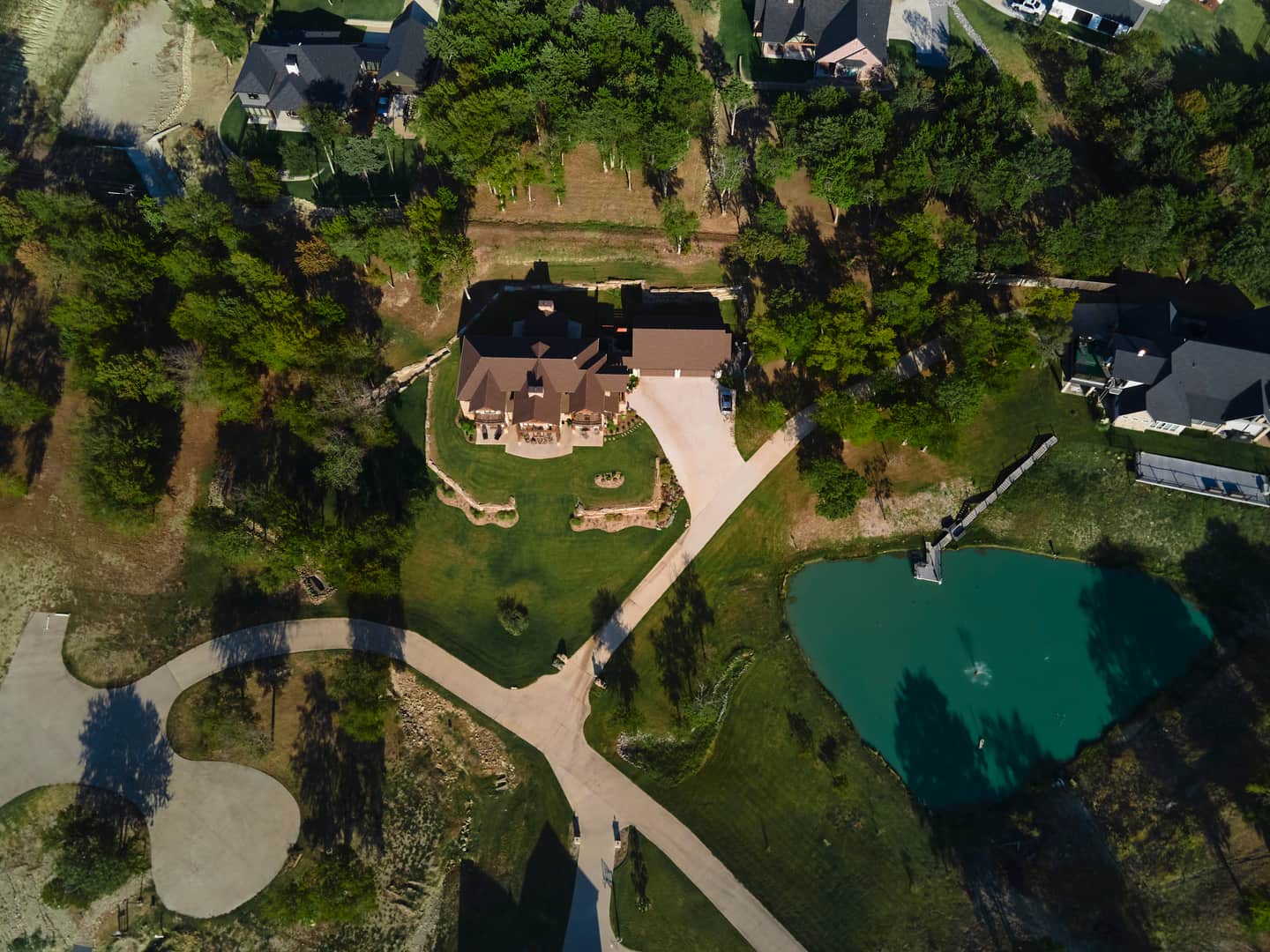
Honey Grove sits fifteen miles east of Bonham on U.S. Highway 82, in east-central Fannin County. The town’s name comes from David Crockett, who — according to local tradition and his own correspondence — camped near the site in the winter of 1835 or 1836 on his way to join the Texas Revolution. Crockett discovered wild bee trees in a grove along Bois d’Arc Creek and described the spot to friends and family as a “honey grove.” Settlers from Tennessee arrived in 1842. The first post office opened in 1846. The town was officially incorporated in 1873. At its peak in 1890, Honey Grove had three thousand residents, one hundred businesses, seven churches, and two banks.
The town today has 1,715 residents. The historic downtown square remains, with its preserved late-nineteenth-century commercial buildings, a courthouse-era Confederate statue, the Bertha Voyer Memorial Library, and the kind of small-town fabric that has been substantially undisturbed since the early twentieth century. The annual Davy Crockett Day, held on the last Saturday in September, is the town’s central civic event. The Honey Grove Independent School District serves the area. Bonham is fifteen minutes west; Paris, Texas, is twenty-four miles east.
For the Legacy Steward, Honey Grove offers something Bonham cannot — a smaller-town quiet that is meaningfully different even fifteen miles down the highway. The pace is slower. The community is more compact. The acreage opportunities outside the town limits are substantial. The character of the place has been shaped by the same forces that shaped Bonham, but at a smaller scale, with less institutional traffic, and with the Bois d’Arc Creek bottomland defining the surrounding landscape in ways Bonham’s flatter terrain does not.
“Honey Grove is what fifteen miles east of a county seat looks like when those miles include Bois d’Arc Creek.”
— Scott Bates
The Throughline
The Bois d'Arc
Throughline
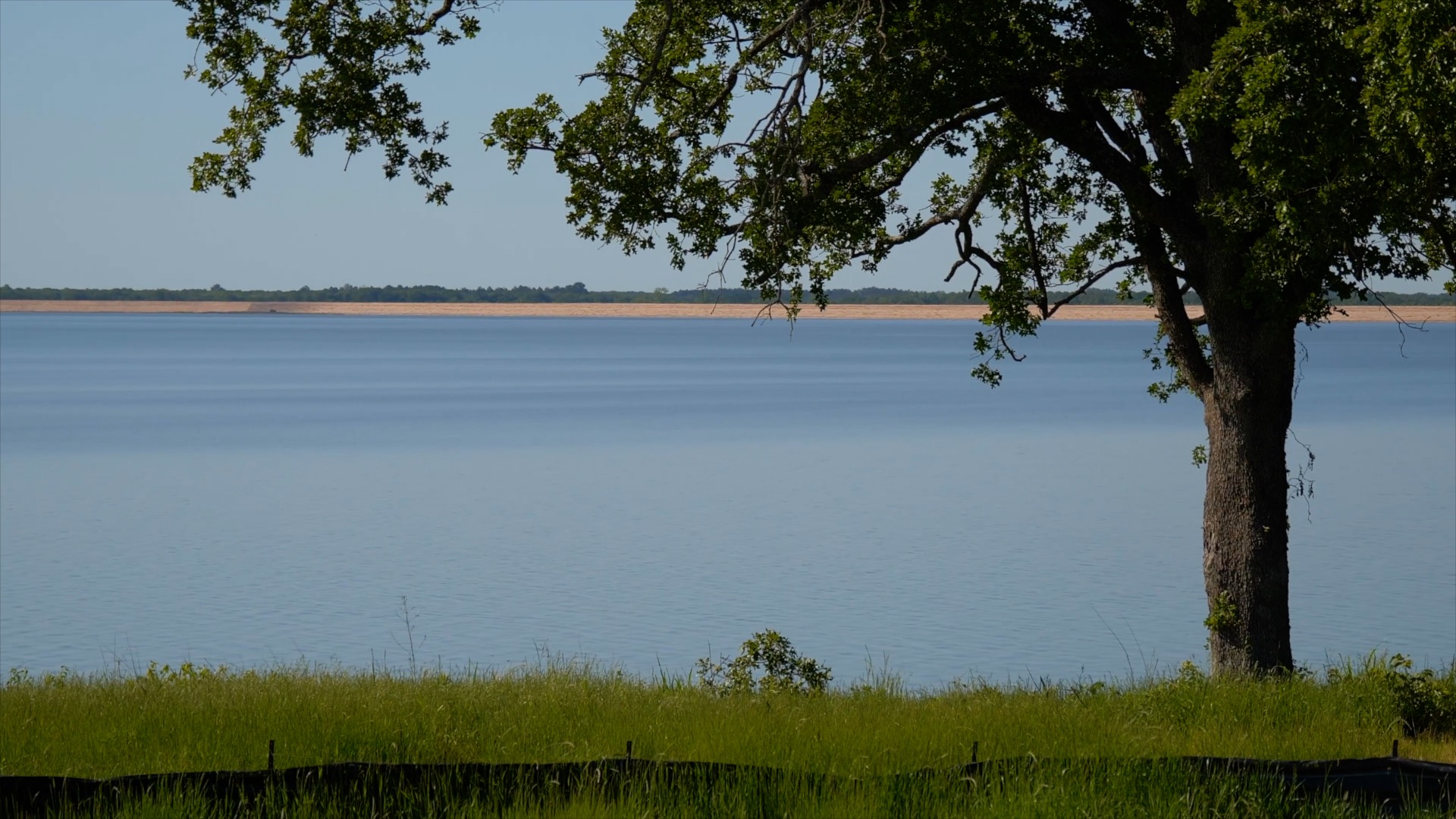
A single geographic thread runs through Fannin County’s history and its present. The bow-wood tree — known as bois d’arc, after the French phrase meaning “wood of the bow,” prized for its dense, durable timber — gave the original Fort Inglish settlement its name (Bois d’Arc) before it became Bonham. The creek that drains the western half of the county is Bois d’Arc Creek; the bottomland along the creek is where Honey Grove was settled and where the first generations of Fannin County farmers worked their cotton fields. The new reservoir north of Bonham — completed in 2025, the first new manmade lake built in Texas in three decades — is Bois d’Arc Lake.
The same word, the same tree, the same watershed. For the buyer arriving in Fannin County today, the throughline matters. It tells you that Bois d’Arc Lake is not a developer’s invention dropped onto an empty landscape — it is the latest expression of a geographic identity that has been present in the county since before statehood.
For our work, the throughline tells us something else. We have been building on the original Bois d’Arc water — Lake Texoma, on the Red River, fed in part by the same drainage system — since 1999. The new Bois d’Arc Lake to our east extends a regional geography we already know. Building on Lake Bois d’Arc is part of our broader service area; the buyer evaluating Bonham, Honey Grove, or the lake itself is choosing a builder who has been working this water table for twenty-six years.
“The throughline is older than the lake. The lake is newer than the builder. The builder has been here long enough to know the difference matters.”
— Scott Bates
The Wider County
Throughout Fannin County
Bonham and Honey Grove anchor Fannin County, but they are only two of its named communities. The county contains more than a dozen incorporated and unincorporated places, each with its own character, scale, and relationship to the broader county fabric. For the buyer evaluating Fannin County beyond the two main towns, these smaller communities offer something the named towns cannot: less density, more land per dollar, and the kind of rural anonymity that the working downtown squares of Bonham and Honey Grove cannot provide.
- Leonard
- Savoy
- Ladonia
- Dodd City
- Bailey
- Telephone
- Ravenna
- Ivanhoe
- Mulberry
- Allen's Chapel
- Pecan Gap
- Trenton
- Ector
Leonard (population 1,846) is the second-largest incorporated town in the county, sixteen miles south of Bonham along Highway 121. Savoy, Ladonia, and Dodd City are smaller — between 400 and 850 residents each — and serve as crossroads communities for the surrounding ranch land. Bailey, Telephone, Ravenna, and Ivanhoe are smaller still; some are unincorporated and exist primarily as cemetery names, schoolhouse memories, or rural mailing addresses. Each has its own history. Most have their own cemeteries that go back to the 1840s or 1850s. All are part of the rural fabric of Fannin County that defines the broader region beyond the two main towns.
For our work, this dispersal matters. Ranch acreage opportunities in Fannin County are not concentrated in the named towns. They are scattered through this network of smaller communities — five acres outside Savoy, fifty acres south of Leonard, a substantial lot adjacent to a Bailey-area cemetery, a multi-acre tract along Bois d’Arc Creek north of Honey Grove. The buyer thinking of generational land does not necessarily look at the two main towns first; she looks at the spaces between them.
“The county is more than its two named towns. The land between them is where most of the real building happens.”
— Scott Bates
The Credentials
Building in Northeast Texas
Fannin County is fifty-five miles northeast of Dallas. Our office is in Pottsboro, forty miles west of Bonham along U.S. Highway 82. The drive is straightforward — Highway 82 east through Sherman and across the western edge of Fannin County to Bonham, then another fifteen miles east through Honey Grove if the project is on that side. The corridor is part of the routine geography we work; the materials, the subcontractors, and the operational rhythm are the same ones we use for builds on Lake Texoma and at Rock Creek.
The character of the work in Fannin County is different from the lake-community work. More acreage. More ranch-scale design. Longer driveway approaches and more substantial site preparation. Septic systems and well water are common; municipal utilities are limited to the named towns. Architectural review at the neighborhood level is rare; the constraints come from the land itself, from the budget, and from the buyer’s vision rather than from covenant boards. The home has more freedom and more responsibility — without dense neighborhood context, the design decisions are entirely the buyer’s and the team’s to make well.
We have been building in this corridor since 1999. Our subcontractors include crews who have worked on Bois d’Arc Creek bottomland, on Leonard-area ranch tracts, and on substantial residential builds within Bonham’s town limits. Our architect, Roberth Jordan, has designed for both town residential and rural ranch programs. The same team, the same process, applied to a region whose building economy operates on different assumptions than the gated lakefront communities we also serve.
“Forty miles east of our office. Fifty-five miles northeast of Dallas. The same builder for twenty-six years.”
— Scott Bates
The Network
Connected to the Surrounding Region
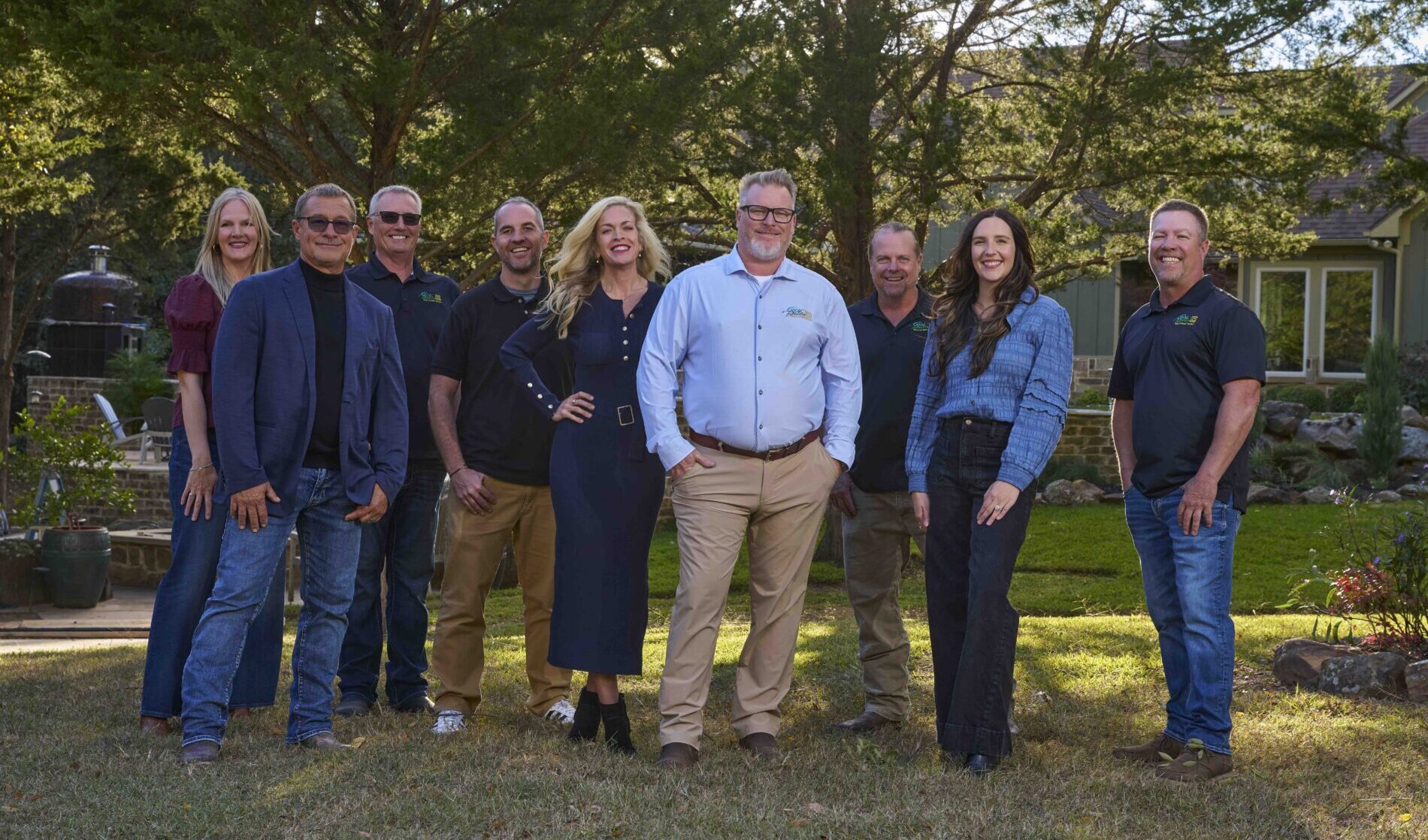
Fannin County sits between Lake Texoma to the west and Bois d’Arc Lake immediately to the north. The communities our team works across this corridor share a single process and a single standard.
One of Texas's oldest county seats. Texas's newest reservoir.
A builder who has been working this corridor since long before the lake was built.
Building in Bonham or Honey Grove
Begins with a Conversation
Whether you are evaluating a lot in Bonham's residential neighborhoods, considering acreage outside Honey Grove, looking at land along Bois d'Arc Creek or the new lake, or simply researching builders who understand Northeast Texas at this scale, the first step is the same — a conversation about what you have in mind and how our team can serve it.
Begin a ConversationExplore our process →Not sure if we are the right fit? →